
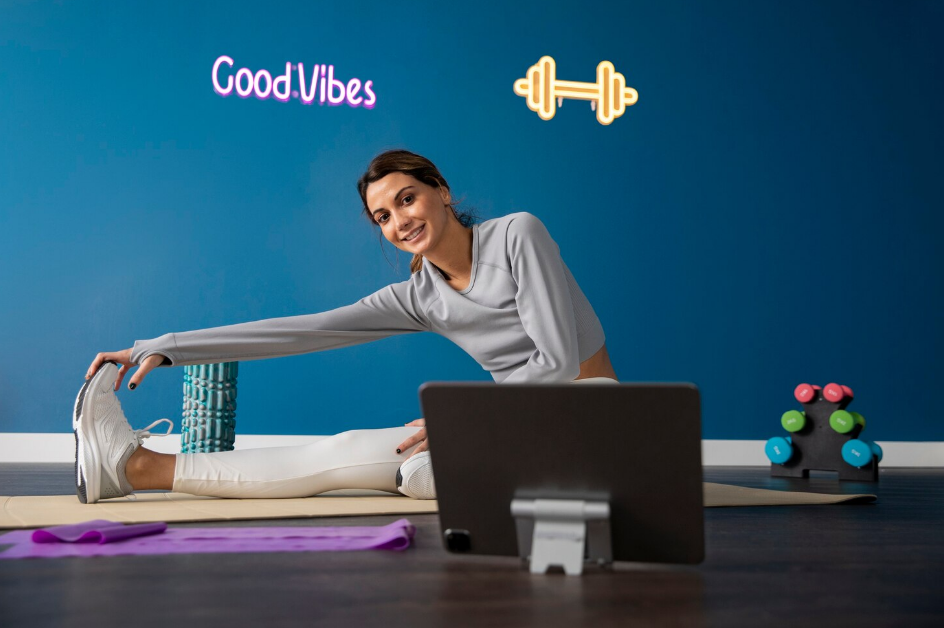
Fitness became an increasingly important part of everyday life as people looked for practical ways to stay active, manage stress, and improve overall well-being. The term 2020 fitness can refer to the exercise trends, workout approaches, home training methods, and wellness habits associated with the fitness landscape around 2020. That period brought significant changes to how people approached physical activity, particularly as many individuals began exploring alternatives to traditional gyms and structured fitness facilities. From bodyweight exercises and home workouts to walking, cycling, strength training, and digital fitness programs, people discovered that staying active did not always require expensive equipment or a dedicated gym membership.
Understanding the Fitness Landscape Around 2020
The fitness environment around 2020 was notable because it encouraged people to reconsider where and how exercise could take place. Traditional gyms remained important, but home-based workouts became much more visible. People started creating small workout spaces in bedrooms, garages, living rooms, and other available areas.
This shift also made fitness more flexible. Instead of depending entirely on scheduled classes or gym opening hours, individuals could exercise according to their own routines. A short morning workout, an evening walk, or a brief strength session during the day could all contribute to a more active lifestyle.
The broader lesson from this period was that consistency often matters more than having an elaborate workout environment. People with limited space or equipment could still create useful exercise routines by combining cardiovascular activity, resistance exercises, mobility work, and recovery.
Popular Types of Workouts
A balanced fitness routine generally includes several different forms of movement. Cardiovascular exercise can improve endurance, while strength training supports muscular development and functional ability. Flexibility and mobility exercises can help people move comfortably and maintain a broader range of motion.
Bodyweight training became especially accessible because it requires little or no specialized equipment. Squats, lunges, push-ups, planks, glute bridges, mountain climbers, and similar movements can be adapted to different fitness levels.
Walking is another simple form of cardiovascular activity. It is accessible to many people and can be incorporated into daily life without requiring a complex training plan. Cycling, jogging, dancing, and other aerobic activities can provide additional variety.
Strength training can also be performed with household alternatives or relatively inexpensive equipment. Resistance bands, adjustable dumbbells, kettlebells, and exercise mats can make home workouts more versatile.
Creating an Effective Home Workout
A successful home workout does not necessarily need to be long. The key is to organize exercises around clear goals and perform them consistently.
A beginner might start with a short warm-up followed by several basic movements. For example, a session could include bodyweight squats, modified push-ups, glute bridges, lunges, and a plank. The number of repetitions and duration can be adjusted according to individual ability.
More experienced exercisers can gradually increase resistance, repetitions, training volume, or exercise complexity. However, progression should be controlled rather than rushed. Performing an exercise correctly is generally more useful than increasing difficulty before the body is prepared for it.
A basic home training session can follow a simple structure. Begin with a warm-up to prepare the body, continue with the main workout, and finish with a gradual cooldown. This organization makes it easier to develop a repeatable routine.
The Importance of Strength Training
Strength training is an important component of comprehensive fitness because everyday activities often require muscular strength. Carrying groceries, climbing stairs, lifting objects, maintaining posture, and performing household tasks all involve the muscular system.
Resistance training can involve free weights, resistance bands, machines, or bodyweight exercises. Beginners can start with fundamental movement patterns and gradually learn more advanced exercises.
A balanced strength routine should not focus exclusively on one body part. Training the legs, hips, back, chest, shoulders, arms, and core can create a more complete program.
Rest is also an important part of strength training. Muscles need recovery after demanding sessions, and repeatedly training the same muscles without adequate recovery can make a program harder to maintain.
Cardiovascular Exercise and Everyday Movement
Cardiovascular exercise supports endurance and can become an important part of a healthy lifestyle. Running and cycling are obvious examples, but cardiovascular activity does not have to be intense to be useful.
Walking, recreational sports, swimming, dancing, hiking, and other activities can increase movement throughout the day. For people who dislike traditional cardio workouts, choosing enjoyable activities may make regular exercise easier to maintain.
Another important concept is reducing prolonged inactivity. Standing up periodically, walking during breaks, taking stairs when appropriate, and incorporating movement into daily responsibilities can complement structured workouts.
Fitness should therefore be viewed as more than a single exercise session. Daily movement contributes to an active lifestyle and can make a fitness routine feel less restrictive.
Fitness and Mental Well-Being
Exercise is often associated with physical goals such as strength, endurance, or body composition, but fitness can also be connected with mental well-being. Physical activity can provide a structured break from work and other daily responsibilities.
During periods when routines are disrupted, exercise can also provide a sense of consistency. A regular walk, stretching session, or workout can become an anchor in the day.
The psychological benefits of exercise can vary between individuals, so fitness should not be treated as a substitute for professional mental health care when someone needs specialized support. Nevertheless, regular physical activity can be one component of a broader approach to personal well-being.
Using Digital Fitness Resources
One major development around the 2020 fitness environment was the growing importance of digital exercise resources. People increasingly used websites, mobile applications, recorded workout sessions, virtual classes, and online training programs.
Digital resources can make exercise more accessible by providing demonstrations and structured routines. They can also help users discover different types of workouts without requiring specialized facilities.
However, online content varies considerably in quality. Users should consider whether an exercise demonstration provides clear instructions and appropriate modifications. Beginners should avoid copying advanced movements simply because they appear popular online.
A useful digital workout resource should help users understand technique, progression, recovery, and appropriate exercise selection rather than focusing solely on intensity.
Building a Sustainable Fitness Routine
One of the most important lessons from any fitness period is that sustainable habits are usually more valuable than short-term enthusiasm. A person who exercises intensely for two weeks and then stops may make less progress than someone who follows a manageable routine consistently.
Setting realistic goals can help. Someone new to exercise might begin with several short sessions each week rather than attempting an ambitious daily program immediately.
It is also helpful to track progress in different ways. Improvements may appear through increased strength, better endurance, greater mobility, improved exercise technique, or greater consistency. Weight and appearance are only some possible measures and should not be the sole indicators of fitness progress.
Enjoyment matters as well. People are more likely to continue activities they find interesting or rewarding. Experimenting with walking, strength training, cycling, yoga, dance, swimming, or recreational sports can help individuals discover activities that fit their preferences.
Nutrition and Recovery
Exercise works best as part of a broader healthy lifestyle. Nutrition provides the energy and nutrients needed for daily activity and recovery. A balanced eating pattern can include a variety of vegetables, fruits, whole grains, protein sources, healthy fats, and adequate fluids.
The specific nutritional needs of an individual can differ based on age, activity level, goals, and health circumstances. People with specialized dietary or medical needs may benefit from guidance from an appropriately qualified professional.
Recovery is equally important. Sleep, rest days, hydration, and reasonable training volume can all contribute to a sustainable exercise routine.
Ignoring recovery can make workouts increasingly difficult and may increase the risk of overuse problems. Fitness therefore involves both training and allowing the body sufficient time to adapt.
Adapting Fitness for Different Experience Levels
Beginners should prioritize learning fundamental movements and developing consistency. A simple program with manageable exercises can provide a foundation before more complicated movements are introduced.
Intermediate exercisers can add resistance, increase training variety, or organize workouts around specific goals. Advanced athletes may use more specialized programming based on performance objectives.
Regardless of experience, exercise should be adapted to individual circumstances. Previous injuries, current physical condition, available equipment, schedule, and personal goals can all influence the most appropriate routine.
Anyone experiencing pain, dizziness, unusual shortness of breath, or other concerning symptoms during exercise should stop and seek appropriate professional advice rather than attempting to push through the symptoms.
Making Fitness a Long-Term Lifestyle
Fitness becomes more sustainable when it fits naturally into everyday life. Instead of treating exercise as a temporary challenge, people can incorporate movement into their weekly routines.
A realistic schedule might include strength sessions on selected days, regular walking or cardiovascular activity, mobility work, and sufficient recovery. The exact combination can vary according to personal goals.
It is also useful to accept that schedules will sometimes change. Missing one workout does not mean a routine has failed. Returning to normal activity at the next practical opportunity can be more productive than abandoning the plan entirely.
The broader idea behind 2020 fitness is therefore not limited to a particular exercise trend or piece of equipment. It represents a period when many people explored flexible approaches to physical activity and discovered that meaningful workouts could happen in many different environments. The most useful lessons remain relevant today: choose realistic activities, develop consistency, prioritize good technique, allow adequate recovery, and build a fitness routine that can realistically become part of everyday life.
Frequently Asked Questions
1. What does 2020 fitness mean?
2020 fitness can describe fitness trends, workout methods, home exercise practices, and wellness habits associated with the fitness environment around the year 2020. It is particularly associated with the increased popularity of flexible and home-based exercise approaches.
2. Can I build fitness without going to a gym?
Yes. Walking, running, cycling, bodyweight exercises, resistance bands, home strength training, mobility exercises, and other activities can all contribute to physical fitness without requiring a traditional gym.
3. What exercises are suitable for beginners?
Beginners can start with manageable movements such as walking, bodyweight squats, modified push-ups, glute bridges, gentle lunges, and basic core exercises. The difficulty should increase gradually as strength and confidence improve.
4. How often should someone exercise?
Exercise frequency depends on individual goals, experience, schedule, and physical condition. A sustainable routine that combines different forms of activity and includes recovery is generally more practical than an excessively demanding schedule.
5. Is home fitness still useful today?
Yes. Home fitness can provide flexibility, convenience, and accessibility. With appropriate exercises, basic equipment, and a consistent schedule, people can create effective workouts without relying entirely on a gym.
One Comment
[…] Read more: 2020 Fitness: A Complete Guide to Building Better Health and Exercise Habits […]