
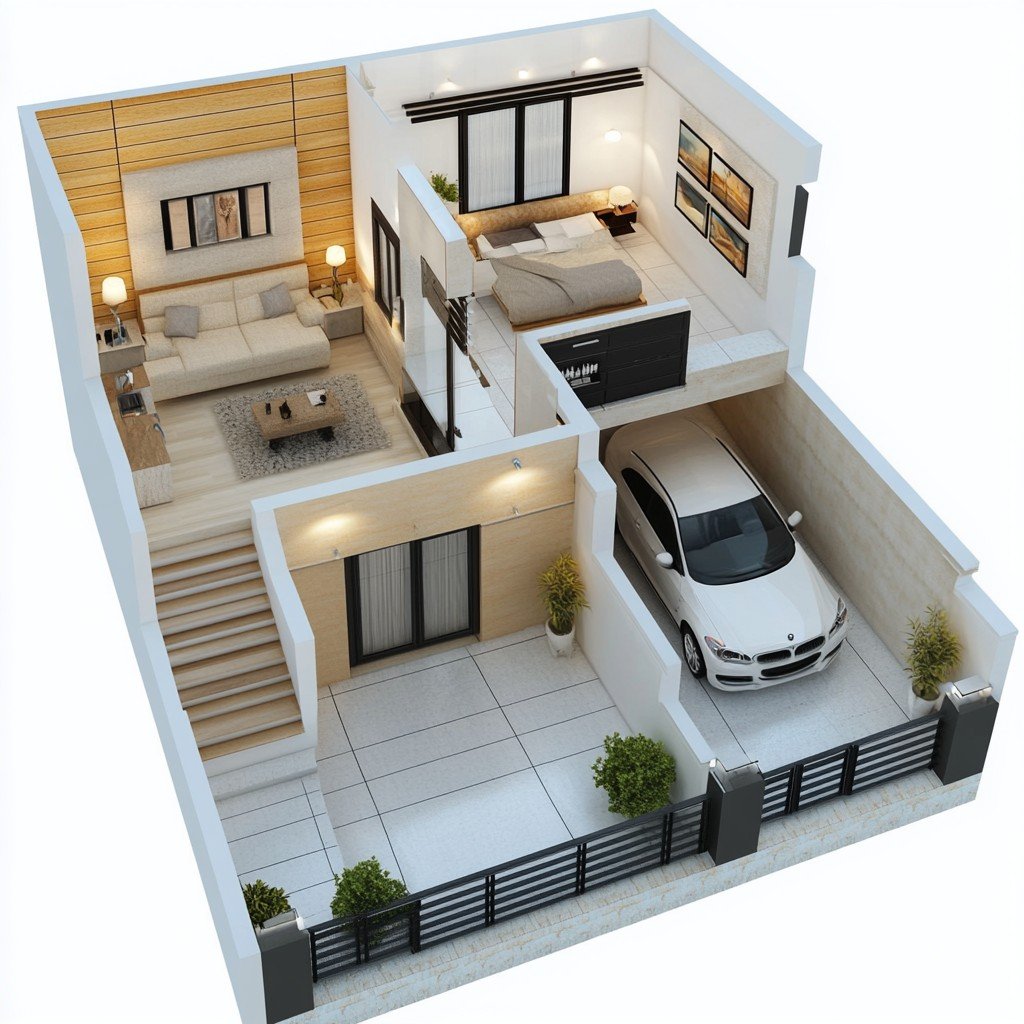
Designing a home is an exciting process, but it also requires careful planning. A well-designed house should provide enough space for everyday activities while remaining comfortable, practical, and easy to maintain. For many families, couples, and small households, a two-bedroom house can offer an excellent balance between privacy and efficient use of space. When planning a design for a two bedroom house, it is important to consider more than the number of bedrooms. The placement of the living room, kitchen, bathrooms, storage areas, windows, doors, and outdoor spaces can significantly affect how comfortable the home feels. Whether you are planning to build a new property, renovate an existing house, or simply looking for ideas, the following guide can help you understand the key elements of a practical two-bedroom home design. Why Choose a Two Bedroom House Design? A two-bedroom house can work well for many different lifestyles. A small family may use one bedroom for parents and another for children. A couple may use the second bedroom as a guest room, home office, study, or hobby space. Older children may also appreciate having a separate bedroom for privacy. Another advantage is that a two-bedroom home can be easier to maintain than a larger property. With thoughtful planning, even a relatively compact floor plan can provide comfortable living, storage, and entertaining areas. The ideal size and layout depend on the site, local building regulations, budget, and household requirements. 1. Start With the Floor Plan The floor plan is one of the most important parts of designing a house. Before thinking about decorative details, decide how the major rooms will connect. A simple two-bedroom floor plan might include: Consider how people will move between these spaces. For example, placing the kitchen close to the dining area can make meal preparation and serving more convenient. Bedrooms may be positioned away from the main living area to provide greater privacy. 2. Design a Comfortable Living Room The living room is often the central social area of a home. In a two-bedroom house, you may not have unlimited floor space, so furniture placement becomes important. Avoid filling the room with too much furniture. A practical living room might include: Leave enough space for comfortable movement between furniture. Large windows can help bring natural light into the room, subject to privacy, climate, orientation, and local design requirements. 3. Connect the Living and Dining Areas Open-plan designs can make a compact house feel more spacious. Combining the living and dining areas can create a flexible shared space. For example, the dining table can sit between the kitchen and living room, creating a natural transition between the two areas. However, open-plan designs are not the only option. Some homeowners prefer separate rooms because they provide more privacy and can help contain cooking odors and noise. The best approach depends on how you expect to use the home. 4. Plan an Efficient Kitchen The kitchen should be designed around the way you actually cook. Think about the placement of the refrigerator, sink, cooking appliances, preparation surfaces, and storage. Try to avoid creating unnecessary walking distances between frequently used areas. Storage is especially important in a smaller home. Use practical cabinets and drawers to make good use of available space. Tall cabinets can provide additional storage when ceiling height and design allow. You can also consider: The kitchen should remain easy to clean and move around in. 5. Choose the Right Bedroom Sizes Both bedrooms should provide enough space for their intended use. The primary bedroom might accommodate a larger bed, bedside tables, wardrobe, and possibly a small desk or seating area. The second bedroom can be designed according to your needs. It could function as: If the room needs to serve multiple purposes, consider flexible furniture. A desk can provide a workspace during the day, while storage furniture can keep the room organized. 6. Think About Bedroom Privacy Bedroom placement can have a significant impact on comfort. Whenever possible, avoid positioning bedroom doors directly in the busiest parts of the house. You may want the bedrooms to be separated from the main entertainment area so household activities do not disturb people who are sleeping or working. If the design includes two bathrooms, one can potentially serve the primary bedroom while the other is accessible from common areas. 7. Decide Between One and Two Bathrooms A two-bedroom home does not necessarily need two bathrooms, but having two can improve convenience. A single well-designed bathroom can work effectively for a small household. If space and budget allow, a second bathroom can reduce morning congestion and provide additional privacy. Possible arrangements include: The best option depends on household size and budget. 8. Use Natural Light Effectively Natural light can make rooms feel brighter and more welcoming. When planning a house, consider where windows can be placed to provide useful daylight while also addressing heat, glare, privacy, and ventilation. Different rooms may require different window strategies. Living areas might benefit from larger windows, while bedrooms may require a balance between daylight and privacy. Window orientation is particularly important in climates with strong sunlight. Consult a qualified architect or building professional to determine appropriate orientation, shading, glazing, and ventilation for your location. 9. Focus on Natural Ventilation Good ventilation can improve indoor comfort. Where appropriate, windows on different sides of the house can help support cross-ventilation. Bathrooms and kitchens may require dedicated ventilation depending on local building requirements. When planning windows and openings, consider outdoor noise, security, weather, privacy, and the surrounding buildings. A house should not simply have many windows; they should be positioned thoughtfully. 10. Include Enough Storage Storage is often underestimated during the design stage. A home can have attractive rooms but still feel cluttered if there is nowhere to put everyday belongings. Consider built-in storage wherever practical. Useful locations can include: Built-in storage can be especially valuable in a compact two-bedroom house. 11. Create a Functional Entryway Even a small entrance can improve the organization of a home. A
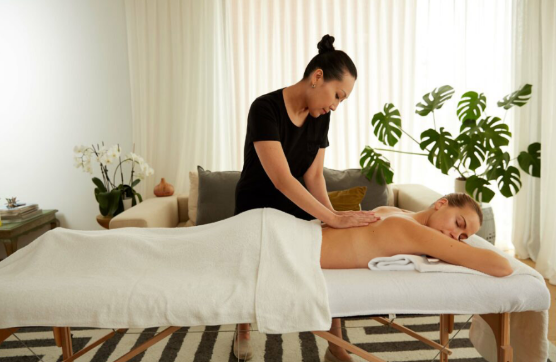
Restore Your Body: The Real Impact of Campbelltown Massage Therapy
Campbelltown residents often overlook what’s available locally. They assume quality massage therapy exists only in Sydney’s inner city, requiring inconvenient travel. The reality is quite different. Campbelltown massage therapy services have become genuinely sophisticated, yet people remain sceptical about what they’ll actually receive. Understanding what legitimate practitioners offer versus typical misconceptions determines whether someone discovers real relief or wastes time on mediocre experiences. Local therapists understand the specific physical challenges Campbelltown residents face. The commuter culture, desk-based work, and suburban stressors create particular muscle tension patterns that generalised massage approaches struggle addressing effectively. Desk Work Destroys Posture Campbelltown’s commuter workforce sits for extended periods daily. Cars, offices, and couches combine creating catastrophic postural problems. Upper back tension becomes epidemic because neck muscles compensate for forward head positioning. Shoulders climb toward ears from constant tension. Therapists addressing these issues require understanding how modern work genuinely damages bodies. Generic massage occasionally helps temporarily but rarely addresses root causes. Campbelltown massage therapy practitioners familiar with typical commuter problems target specific muscle groups causing issues. They understand that relief demands addressing postural dysfunction alongside muscle tension. Standard relaxation massage feels pleasant but doesn’t solve mechanical problems driving pain. Local Therapists Get Your Life Practitioners working in Campbelltown understand the area’s particular demands. They know about traffic congestion stressing bodies and minds. They understand the financial pressures affecting many residents. They recognise how suburban isolation differs from inner-city experiences. This contextual understanding shapes how they approach treatment. Someone from Sydney’s CBD might miss what local practitioners immediately recognise. Understanding your actual lifestyle determines appropriate treatment approach. Therapists asking genuine questions about your life rather than following scripts deliver better results. They modify techniques based on understanding your specific circumstances. Commute Muscle Patterns Are Real Driving creates distinctive muscle tension patterns most therapists fail recognising. Gripping steering wheels, maintaining awkward positions, and shoulder elevation during driving create specific problem areas. Different commute distances create different patterns. Someone driving forty minutes experiences different tension than someone with shorter commutes. Long commutes create cumulative damage most people don’t consciously recognise. Therapists understanding commute mechanics target appropriate areas effectively. Standard massage occasionally helps but often misses the actual problem areas requiring attention. Stress Manifests Physically Campbelltown residents experience particular stress patterns. Housing affordability anxiety creates constant tension. Work pressures combine with family responsibilities creating ongoing stress. This psychological pressure manifests physically in muscle tension and reduced flexibility. Massage theoretically addresses physical symptoms whilst ignoring psychological causes. Experienced therapists understand that emotional stress requires acknowledging during treatment. Techniques helping clients release tension mentally alongside physical release prove far more effective. Practitioners who entirely ignore the stress component deliver disappointing results because they’re only treating half the problem. Consistency Matters Enormously Single massage appointments rarely create lasting change. People receive one session, feel temporarily better, then revert to old patterns within days. Consistent regular treatment allows genuine postural correction and muscle memory rebuilding. Many Campbelltown residents expect single treatments solving months or years of accumulated tension. Understanding that meaningful change requires ongoing commitment prevents disappointment. Therapists recommending single sessions appear less profitable than those recommending regular treatment. Honest practitioners discuss realistic expectations about how many sessions addressing specific problems typically requires. Quick fixes don’t exist regardless of therapist skill. Finding Legitimate Practitioners Campbelltown has genuinely skilled therapists alongside less experienced operators. Credentials matter significantly though many people don’t verify them. Proper qualifications require substantial training programmes. Experienced practitioners continue education throughout careers. Someone claiming expertise without credentials deserves scepticism. Word-of-mouth recommendations carry more weight than impressive websites. Friends experiencing genuine results provide better guidance than marketing language. Asking detailed questions about training and experience reveals whether practitioners know what they’re discussing. Home Care Changes Everything Professional massage helps temporarily without home care supporting results. Therapists recommend stretches and postural adjustments patients must maintain between sessions. Following these recommendations determines whether treatment creates lasting change. Clients ignoring home care exercises return with identical problems. Practitioners deserve feedback about whether home recommendations actually work for you. Adjustments sometimes need making based on your actual situation versus theoretical approaches. Conclusion Campbelltown massage therapy delivers genuine results when you select appropriate practitioners and maintain realistic expectations. Local therapists understanding your specific circumstances and commute stressors address problems more effectively than generalised approaches. Consistent treatment combined with home care creates lasting improvements. Scepticism about local services proves unnecessary once you find skilled practitioners who understand Campbelltown residents’ particular challenges and needs genuinely.

How Prioritizing Health Leads to Energy and Longevity
Understanding the Importance of Health Health is the foundation of a balanced and fulfilling life. It encompasses physical, mental, and emotional well being, allowing individuals to perform daily activities with energy and confidence. Prioritizing health ensures the body functions efficiently, supports resilience, and promotes long term vitality. Physical Wellness and Energy Maintaining physical health improves stamina, strength, and overall performance. Balanced nutrition, regular exercise, and adequate rest support internal systems and enhance energy levels. When the body receives proper care, daily tasks feel easier, recovery is faster, and overall comfort is improved. Mental and Emotional Well Being Health is not limited to physical fitness alone. Mental and emotional wellness plays a critical role in maintaining focus, managing stress, and supporting overall life satisfaction. Practices such as meditation, mindfulness, and relaxation help maintain balance and improve decision making, mood, and clarity. Nutrition for Long Term Health A well balanced diet fuels the body and supports all vital systems. Nutrients, vitamins, minerals, and hydration ensure organs function properly and energy is maintained throughout the day. Thoughtful nutrition strengthens internal functions, reduces fatigue, and supports both short term performance and long term vitality. Regular Exercise and Fitness Physical activity strengthens muscles, improves circulation, and enhances flexibility. Exercise also benefits mental clarity, reduces stress, and boosts mood. Integrating consistent movement into daily routines supports overall health, promotes longevity, and ensures the body remains resilient and active over time. Rest and Recovery Adequate rest is essential for maintaining health. Sleep and relaxation allow the body to repair, restore energy, and regulate internal systems. Recovery improves focus, performance, and emotional balance. Prioritizing rest ensures the body can sustain energy, maintain wellness, and respond effectively to daily challenges. Managing Stress for Better Health Chronic stress can affect both mental and physical well being. Stress management techniques, such as deep breathing, mindful practices, and balanced routines, help reduce tension and maintain internal balance. Effective stress control contributes to stronger immunity, better energy, and overall health maintenance. Preventive Care and Regular Checkups Regular medical checkups, screenings, and self care routines are essential for maintaining health. Early detection of issues allows for timely intervention, preventing complications and supporting long term wellness. Preventive measures help ensure that the body remains strong, resilient, and energized over time. Lifestyle Choices for Sustained Wellness Healthy habits such as limiting processed foods, staying hydrated, moving regularly, and engaging in mindfulness practices build a strong foundation for long term health. Consistency in these choices supports energy levels, mental clarity, and physical comfort, making daily life more enjoyable and balanced. Long Term Benefits of Prioritizing Health Consistently prioritizing health improves energy, stamina, mental clarity, and emotional resilience. Over time, it reduces the risk of illness, supports longevity, and enhances overall quality of life. Maintaining a focus on health creates a solid foundation for living actively, confidently, and with lasting vitality. Creating a Balanced Approach to Health A balanced approach integrates nutrition, exercise, rest, mental wellness, and preventive care into daily life. Supporting all aspects of health strengthens internal systems and promotes consistent energy. By making health a priority, individuals can enjoy a more active, fulfilling, and long lasting life.