

Mental health is an important part of living a healthy and balanced life. However, conversations about emotional well-being, anxiety, depression, stress, trauma, and other psychological challenges are not always easy to begin. Many people want to understand their feelings, learn practical coping strategies, and hear experiences from others who have faced similar difficulties. A mental health podcast provides an accessible way to explore these subjects through audio conversations, expert interviews, personal stories, educational discussions, and guided mindfulness exercises. People can listen while commuting, exercising, relaxing at home, or taking a break from their daily responsibilities. Mental health podcasts have become a useful source of education and encouragement for people interested in understanding their psychological well-being. They can also help make mental health conversations more approachable by sharing information and reducing the stigma surrounding mental health conditions. What Is a Mental Health Podcast? A mental health podcast is an audio or video program that focuses on psychological well-being, emotional health, mental health conditions, personal development, and related topics. Episodes may feature psychologists, psychiatrists, therapists, counselors, researchers, advocates, and people sharing their personal experiences. Some podcasts focus on education, while others emphasize storytelling, self-care, mindfulness, relationships, or professional advice. Common mental health podcast topics include: The purpose is to help listeners become more informed, recognize emotional challenges, and discover healthy ways to support their well-being. Why Are Mental Health Podcasts Becoming Popular? Mental health podcasts offer a convenient way to explore subjects that can sometimes feel uncomfortable to discuss openly. Several factors contribute to their popularity. 1. Convenient Access to Information Unlike traditional educational programs, podcasts can be accessed at different times and from different locations. Listeners can choose episodes according to their interests and schedules. This flexibility makes mental health education easier to incorporate into everyday routines. 2. Open Conversations About Mental Health Many podcasts discuss experiences that people may find difficult to share with friends, relatives, or coworkers. Hearing honest conversations about anxiety, depression, grief, and emotional struggles can make listeners feel less isolated. 3. Learning From Professionals Some mental health podcasts invite qualified professionals to explain psychological concepts and discuss evidence-based approaches to emotional well-being. These conversations can help listeners understand common symptoms, treatment options, and the importance of professional support. 4. Personal Stories and Shared Experiences Personal stories can help listeners understand that emotional challenges affect people from different backgrounds and circumstances. Hearing someone describe their recovery journey may encourage others to seek help or approach their own difficulties with greater self-compassion. 5. Reducing Mental Health Stigma Podcasts can create opportunities for honest discussions about mental illness, therapy, medication, and recovery. When people hear these topics discussed openly, they may become more comfortable seeking professional support and supporting others. Popular Types of Mental Health Podcasts Mental health podcasts cover many subjects, so listeners can choose programs that match their interests and needs. 1. Educational Mental Health Podcasts Educational podcasts explain psychological concepts and mental health conditions in an understandable way. Episodes may cover depression, anxiety disorders, bipolar disorder, PTSD, obsessive-compulsive disorder, and other conditions. These programs are useful for people who want to understand mental health terminology and learn how different conditions can affect everyday life. 2. Anxiety and Stress Management Podcasts Anxiety and stress management podcasts focus on emotional regulation, relaxation, and practical coping skills. Common discussions include: These episodes may offer useful educational information, but persistent or severe anxiety should be discussed with a qualified health professional. 3. Depression and Emotional Wellness Podcasts Depression-focused podcasts explore sadness, low motivation, loneliness, emotional exhaustion, and recovery. Some feature conversations with mental health professionals, while others share personal experiences from people who have received treatment. They can help listeners understand depression and recognize that seeking support is an important part of recovery. 4. Mindfulness and Meditation Podcasts Mindfulness podcasts provide guided activities designed to encourage relaxation, self-awareness, and present-moment attention. Common topics include breathing exercises, guided meditation, body awareness, gratitude, and self-compassion. These programs may be useful for people who want to develop a regular relaxation practice. 5. Personal Development Podcasts Personal development podcasts explore confidence, motivation, emotional intelligence, resilience, communication, and healthy habits. Although not every personal development topic is a mental health intervention, these discussions can encourage reflection and positive lifestyle changes. 6. Mental Health Recovery Podcasts Recovery-focused podcasts share experiences related to therapy, addiction recovery, trauma, grief, and rebuilding emotional well-being. They may include interviews with professionals and individuals who describe the challenges and lessons involved in their recovery journeys. Benefits of Listening to Mental Health Podcasts Listening to a mental health podcast can offer several educational and emotional benefits. However, the experience differs from person to person, and podcasts should not be treated as a replacement for professional treatment. Improved Mental Health Awareness Podcasts can introduce listeners to mental health conditions, psychological terminology, and common emotional challenges. Better awareness may help individuals recognize when they or someone they care about could benefit from professional support. Greater Emotional Understanding Discussions about emotions can encourage people to reflect on their feelings and reactions. Listeners may become more aware of patterns involving stress, negative thinking, relationships, and emotional responses. Reduced Feelings of Isolation Personal stories can help listeners understand that other people experience similar challenges. This sense of connection may provide comfort, particularly for individuals who feel uncomfortable discussing their experiences openly. Practical Self-Care Ideas Some podcasts share practical ideas for building healthier daily routines. Examples include: Encouragement to Seek Professional Help Educational discussions can help listeners understand the value of therapy, psychiatric care, and other forms of treatment. A podcast may encourage someone to arrange an appointment with a qualified professional rather than attempting to manage a serious condition alone. Increased Mental Health Literacy Mental health literacy involves understanding mental health conditions, recognizing possible symptoms, knowing where to find reliable information, and understanding available support options. Research published in recent years has explored podcasts as a way to improve mental health knowledge and awareness. Findings are promising, although more research is needed to establish their effectiveness

Kaiser Permanente Mental Health: Services, Treatment Options, Benefits, and How to Get Care
Mental health is an essential part of overall well-being. Conditions such as anxiety, depression, stress, trauma, and substance use disorders can affect relationships, work, sleep, physical health, and everyday activities. Access to professional support can help people understand these challenges, develop healthy coping strategies, and improve their quality of life. Kaiser Permanente mental health services are designed to support members experiencing emotional, psychological, and behavioral health concerns. Its approach combines mental health professionals, medical care, therapy options, medication management, and wellness resources. Depending on the member’s needs, care may be available through in-person appointments, phone consultations, video visits, and specialized treatment programs. Understanding the available services can help members make informed decisions about seeking support and finding an appropriate level of care. What Is Kaiser Permanente Mental Health Care? Kaiser Permanente is an integrated health care organization that provides medical services and behavioral health support to its members. Its mental health care focuses on identifying emotional and psychological concerns, developing treatment plans, and helping individuals manage symptoms over time. Mental health care may involve several professionals working together, including psychiatrists, psychologists, licensed clinical social workers, therapists, addiction medicine specialists, and other qualified providers. This coordinated approach can help connect mental health treatment with a person’s broader medical needs. For example, someone experiencing depression alongside a chronic medical condition may benefit from communication between their primary care provider and mental health specialist. The goal is to provide appropriate support based on each person’s symptoms, preferences, and treatment needs. Mental Health Conditions Treated by Kaiser Permanente Mental health concerns can affect people at different stages of life. Kaiser Permanente provides assessment and treatment options for a range of behavioral and emotional health conditions, although specific services and availability can vary by region and health plan. 1. Anxiety Disorders Anxiety can involve persistent worry, fear, nervousness, and physical symptoms such as muscle tension, restlessness, and difficulty sleeping. Treatment may include individual therapy, coping strategies, behavioral techniques, and medication when clinically appropriate. 2. Depression Depression can affect mood, motivation, concentration, energy, appetite, and relationships. Some people experience persistent sadness, while others notice emotional numbness or loss of interest in activities they previously enjoyed. Mental health professionals may recommend psychotherapy, medication management, lifestyle support, or a combination of treatments. 3. Bipolar Disorder Bipolar disorder involves significant changes in mood, energy, and activity levels. Individuals may experience depressive episodes and periods of mania or hypomania. Treatment often requires ongoing psychiatric evaluation, medication management, and psychotherapy. 4. Post-Traumatic Stress Disorder Post-traumatic stress disorder (PTSD) may develop after experiencing or witnessing a traumatic event. Symptoms can include unwanted memories, nightmares, avoidance, heightened alertness, and emotional distress. A qualified mental health professional can evaluate symptoms and recommend appropriate trauma-focused treatment. 5. Obsessive-Compulsive Disorder Obsessive-compulsive disorder (OCD) involves unwanted recurring thoughts and repetitive behaviors or mental rituals. These symptoms can interfere with daily responsibilities and relationships. Treatment may include specialized psychotherapy, including exposure and response prevention, and medication when appropriate. 6. Substance Use Disorders Substance use disorders involve patterns of alcohol or drug use that negatively affect health, responsibilities, or relationships. Behavioral health and addiction medicine services may include counseling, medication-based treatment, recovery support, and structured treatment programs. Other concerns may include eating disorders, attention-related conditions, sleep problems, postpartum depression, and emotional difficulties connected to major life changes. Types of Kaiser Permanente Mental Health Services Kaiser Permanente offers different forms of mental health support depending on the member’s location, clinical needs, and coverage. Individual Therapy Individual therapy involves private sessions between a patient and a qualified mental health professional. During therapy, individuals can discuss emotional challenges, identify patterns of thinking and behavior, and develop practical strategies for managing symptoms. Common therapy approaches may include: The appropriate method depends on the person’s diagnosis, goals, and clinical assessment. Group Therapy Group therapy allows people with similar challenges to participate in structured sessions led by a trained professional. Participants may learn coping strategies, discuss experiences, and develop communication skills in a supportive environment. Group programs can address anxiety, depression, substance use, emotional regulation, and other concerns. Family Therapy Mental health challenges can affect the entire family. Family therapy helps individuals and relatives understand relationship patterns, improve communication, and work through shared difficulties. A therapist may help family members establish healthier boundaries, manage conflict, and develop supportive ways to respond to emotional challenges. Psychiatric Evaluation A psychiatric evaluation helps determine whether a person may benefit from specialized mental health treatment. A psychiatrist or another qualified clinician may review symptoms, medical history, emotional experiences, medications, and relevant lifestyle factors. The evaluation can help guide diagnosis and treatment planning. Medication Management Medication may be recommended for certain mental health conditions. Psychiatrists and other qualified prescribing professionals can assess whether medication is appropriate, discuss potential benefits and risks, and monitor progress. Medication management may involve adjusting prescriptions, reviewing side effects, and evaluating how well treatment is working. Crisis Intervention People experiencing severe emotional distress may need urgent professional support. Crisis services can help assess immediate safety concerns and determine the appropriate level of care. Depending on the situation, this may involve urgent evaluation, emergency services, or a higher level of psychiatric treatment. How to Access Kaiser Permanente Mental Health Services Finding mental health care can feel difficult, especially when someone is already experiencing anxiety, depression, or emotional exhaustion. Understanding the basic process can make getting support easier. 1. Contact Kaiser Permanente Members can begin by contacting Kaiser Permanente through their regional member services or mental health department. The organization provides region-specific instructions for scheduling appointments and accessing behavioral health services. 2. Discuss Your Concerns During an initial contact or appointment, a clinician may ask about symptoms, emotional health, medical history, and current difficulties. It is helpful to describe concerns honestly, including how long symptoms have lasted and how they affect daily life. 3. Complete an Initial Assessment An assessment helps determine the type of care that may be appropriate. Depending on the circumstances, the individual may be connected with a therapist, psychiatrist, addiction medicine specialist, or
Physiotherapy Hillarys: Your Path to Faster Healing and Pain-Free Living
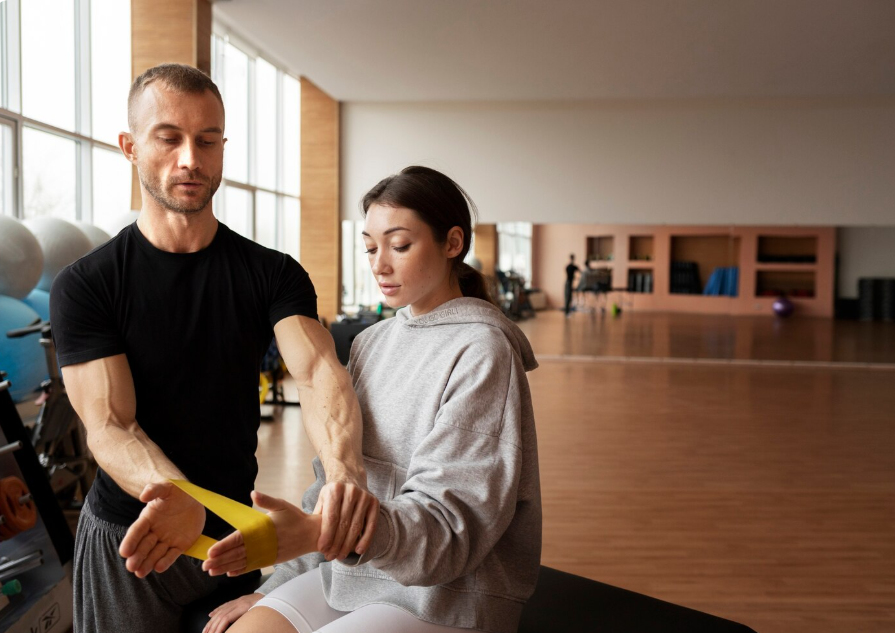
Living an active and healthy life becomes easier when your body can move comfortably without pain or stiffness. However, injuries, muscle problems, joint discomfort, and poor posture can affect everyday activities. Even simple tasks such as walking, bending, lifting objects, or sitting for extended periods may become difficult when physical discomfort develops. Professional physiotherapy offers an effective approach to improving movement, supporting recovery, and maintaining long-term physical health. Choosing Physiotherapy Hillarys can be a positive step for individuals who want to manage pain, regain strength, and improve their overall mobility. With professional assessment and personalised treatment plans, people can work towards better physical function and a more comfortable lifestyle. Understanding the Benefits of Physiotherapy Physiotherapy is a healthcare service that focuses on restoring movement, improving physical strength, and reducing discomfort caused by injuries or medical conditions. It uses different treatment methods, including therapeutic exercises, stretching, manual techniques, and movement training. People of different ages can benefit from physiotherapy. Office workers may experience neck and back discomfort because of prolonged sitting, while athletes may require rehabilitation following sports injuries. Older adults may also need support to maintain balance, flexibility, and independence. A qualified physiotherapist evaluates an individual’s physical condition before recommending suitable treatment. This approach helps ensure that exercises and recovery techniques match the person’s needs and abilities. Effective Treatment for Common Physical Problems Physical discomfort can develop for several reasons, including repetitive movements, accidents, muscle weakness, and age-related changes. Physiotherapy can help manage various conditions through appropriate rehabilitation programmes. Some common problems addressed through physiotherapy include: Treatment methods depend on the individual’s condition, medical history, and recovery objectives. Improving Strength, Flexibility, and Mobility Good physical mobility allows individuals to enjoy daily activities without unnecessary difficulty. Unfortunately, injuries and inactive lifestyles can reduce flexibility and weaken important muscle groups. Physiotherapy programmes often include stretching routines, resistance exercises, balance training, and functional movement activities. These exercises help improve muscle coordination and support healthy joint movement. Regular exercise also encourages better body awareness. Individuals learn how to move correctly, maintain appropriate posture, and avoid unnecessary pressure on vulnerable body areas. Gradual improvement is important because every person’s recovery journey is different. Following professional instructions and maintaining consistency can contribute to better results over time. Supporting Recovery After Surgery and Injuries Recovering from surgery or a significant injury can require patience, dedication, and professional support. During recovery, muscles may become weaker, joints may feel stiff, and normal movement patterns may be affected. A structured rehabilitation programme helps individuals rebuild physical strength and gradually return to everyday activities. Depending on the condition, treatment may include controlled exercises, flexibility training, walking practice, and balance improvement. Following a personalised recovery plan can help patients develop confidence while reducing the risk of unnecessary strain. Progress should always be monitored by an appropriate healthcare professional. Maintaining Better Physical Health Long-term physical wellness requires more than occasional treatment sessions. Healthy daily habits play an important role in maintaining strength, flexibility, and mobility. People should try to remain physically active, maintain a balanced diet, drink sufficient water, and get enough sleep. Taking short breaks during long working hours can also reduce stiffness associated with prolonged sitting. Following recommended home exercises is another useful way to maintain progress between appointments. Individuals should avoid overexertion and seek professional advice if pain becomes severe or unexpected symptoms develop. Conclusion Physiotherapy plays an important role in improving physical function, managing discomfort, and supporting recovery from different conditions. Through professional guidance, targeted exercises, and healthy lifestyle choices, individuals can gradually improve their strength, flexibility, and everyday mobility. Taking care of your body today can help create a healthier and more active tomorrow. With consistency, patience, and the right rehabilitation approach, achieving better movement and lasting physical wellbeing becomes a realistic goal.

The Modern Student and the Importance of Physical Exercise
For students balancing classes, assignments, examinations, technology, social activities, and personal responsibilities, the modern student the importance of physical exercise is an increasingly relevant topic. Regular physical activity can support physical health while also contributing to concentration, mood, sleep, energy, and overall well-being. Creating time for exercise does not necessarily require a complicated fitness program. Simple activities such as walking, cycling, stretching, sports, or structured workouts can become valuable parts of a student’s daily routine. Why Physical Exercise Matters for Students Student life often involves long periods of sitting. Classes, studying, reading, computer work, online learning, and entertainment can all contribute to a sedentary lifestyle. Regular movement provides an opportunity to break up these periods of inactivity. Physical activity can help students develop healthier routines while supporting several aspects of everyday life. Exercise is not simply about athletic performance or appearance. It can become a practical part of maintaining physical and mental well-being. Students can benefit from making movement a regular part of their schedule rather than treating exercise as something that only happens when they have extra time. Physical Benefits of Exercise The body requires regular movement to remain strong and functional. For students, establishing active habits early can help create a foundation for a healthy lifestyle. Regular exercise can support: Different activities provide different benefits. For example, running and cycling can develop cardiovascular endurance, while resistance exercises can improve muscular strength. Yoga and mobility exercises can support flexibility and body awareness. Examples of Physical Activities Activity Potential Benefit Suitable Setting Walking Endurance and daily movement Campus, neighborhood Cycling Cardiovascular fitness Outdoors or gym Strength training Muscular strength Gym or home Swimming Full-body conditioning Pool Yoga Flexibility and mobility Home or studio Team sports Fitness and coordination School or community Stretching Mobility Almost anywhere Students do not have to participate in every type of activity. The best option is one that matches their interests, abilities, schedule, and available resources. Exercise and Academic Performance One reason students may benefit from regular physical activity is its potential relationship with cognitive function and academic well-being. Exercise increases blood flow throughout the body and creates a break from prolonged academic tasks. A short walk between study sessions can provide a physical and mental change of pace. For students, exercise can be incorporated around study periods rather than competing with education. For example, a student might: This approach can make physical activity feel like part of a productive schedule rather than an interruption. Exercise and Concentration Concentration can decline when students spend many consecutive hours working on the same task. Movement breaks can help create separation between study periods. A short activity such as walking around campus, stretching, climbing stairs, or performing light mobility exercises can be easier to fit into a busy academic day than a full gym session. Students can experiment with different schedules to determine which types of movement help them feel refreshed without disrupting their study routine. Mental Well-Being and Physical Activity Student life can involve academic pressure, deadlines, social expectations, and uncertainty about the future. Physical activity can be one component of a healthy approach to managing everyday stress. Exercise can provide an opportunity to step away from screens and academic responsibilities. Activities such as walking, running, swimming, dancing, and sports can also provide enjoyable experiences outside the classroom. It is important, however, to recognize that exercise is not a replacement for professional support when a student is experiencing significant or persistent mental health difficulties. Students who need additional help should have access to appropriate support services. Exercise and Sleep Sleep is essential for learning, concentration, recovery, and general health. Regular physical activity can be part of a healthy sleep routine. Students who spend most of the day sitting may find that adding movement creates a better balance between activity and rest. Exercise timing can vary between individuals. Some people enjoy morning workouts, while others prefer exercising after classes. A practical routine should avoid making exercise so demanding or poorly timed that it consistently interferes with adequate sleep. Reducing the Effects of Long Sitting Many students spend several hours sitting during a typical day. Long periods of sitting can occur during: Students can introduce more movement without completely changing their schedules. Simple strategies include: These small changes can increase overall daily movement. Exercise for Different Types of Students Not every student has the same interests or physical abilities. Students Who Enjoy Sports Team and individual sports can provide both physical activity and social interaction. Football, basketball, tennis, badminton, swimming, athletics, and other activities can make exercise more enjoyable. Students Who Prefer the Gym Gym-based workouts can provide structured strength and cardio training. A beginner can start with simple exercises and gradually learn more advanced movements. Students Who Prefer Home Workouts Home exercise can include bodyweight squats, lunges, push-ups, mobility exercises, stretching, and online workout sessions. A home workout does not necessarily require expensive equipment. Students With Limited Time Short sessions can still provide useful movement. A student with only 15 or 20 minutes available could take a brisk walk, perform a short bodyweight circuit, or complete a mobility routine. Consistency matters more than creating an unrealistic schedule. Creating a Student-Friendly Exercise Schedule Time management is one of the biggest challenges students face. Instead of trying to exercise for several hours each week immediately, start with a realistic schedule. For example: Day Activity Approximate Duration Monday Brisk walking 30 minutes Tuesday Strength workout 30–45 minutes Wednesday Mobility or stretching 15–20 minutes Thursday Cycling or running 30 minutes Friday Strength workout 30–45 minutes Saturday Sport or recreational activity 45–60 minutes Sunday Rest or light walking Flexible The schedule can be adjusted around lectures, examinations, work, commuting, and other responsibilities. During examination periods, students may reduce workout duration while continuing to include short movement breaks. How to Stay Consistent Knowing that exercise is beneficial is different from actually maintaining an exercise habit. Students can improve consistency by making physical activity convenient. Set Realistic Goals Instead of immediately setting an ambitious goal,

LA Fitness Port Orange FL: Gym Guide, Amenities, Hours, Classes, and More
LA Fitness Port Orange FL is a full-service fitness facility located at 1810 Dunlawton Ave in Port Orange, Florida. The club provides a broad selection of workout equipment, group fitness classes, an indoor pool, basketball facilities, locker rooms, Kids Klub, personal training, and other fitness amenities. Its combination of strength training, cardio workouts, aquatic activities, and instructor-led classes makes it a versatile option for people with different fitness interests. The club’s current listed hours are Monday through Thursday from 5:00 AM to 11:00 PM, Friday from 5:00 AM to 9:00 PM, and Saturday and Sunday from 8:00 AM to 7:00 PM. Overview of the Port Orange Fitness Facility The Port Orange club is located on Dunlawton Avenue and serves residents and visitors looking for a traditional full-service gym environment. Unlike smaller fitness centers that may focus primarily on weight machines and cardio equipment, this facility provides several additional recreational and wellness options. The club’s listed amenities include free weights, cardio and strength equipment, locker rooms, basketball, group fitness classes, an indoor pool, Kids Klub, personal training, and Pilates services. This variety allows members to build different types of workouts within the same facility. A person interested in traditional resistance training can use free weights and strength equipment, while someone interested in swimming can use the indoor pool and participate in aquatic fitness classes. Quick Club Overview Feature Details Location 1810 Dunlawton Ave, Port Orange, FL 32127 Phone (386) 682-2509 Main fitness equipment Cardio, strength, and free weights Indoor pool Yes Basketball Yes Group classes Yes Kids Klub Yes Personal training Available Pilates Available Locker rooms Available The information above is based on the club’s current official listing and may change over time. Gym Hours and Kids Klub Hours Operating hours are an important consideration when selecting a fitness facility. The Port Orange club currently opens early on weekdays, making it possible for members to exercise before work or other daily responsibilities. The listed main club schedule is Monday through Thursday from 5:00 AM to 11:00 PM. Friday hours are 5:00 AM to 9:00 PM, while Saturday and Sunday hours are 8:00 AM to 7:00 PM. Holiday schedules may vary. Kids Klub has a separate schedule. It is currently listed as Monday through Friday from 8:00 AM to noon and 4:00 PM to 8:00 PM, Saturday from 8:00 AM to noon, and closed Sunday. Current Hours Day Club Hours Kids Klub Monday 5:00 AM – 11:00 PM 8:00 AM – Noon, 4:00 PM – 8:00 PM Tuesday 5:00 AM – 11:00 PM 8:00 AM – Noon, 4:00 PM – 8:00 PM Wednesday 5:00 AM – 11:00 PM 8:00 AM – Noon, 4:00 PM – 8:00 PM Thursday 5:00 AM – 11:00 PM 8:00 AM – Noon, 4:00 PM – 8:00 PM Friday 5:00 AM – 9:00 PM 8:00 AM – Noon, 4:00 PM – 8:00 PM Saturday 8:00 AM – 7:00 PM 8:00 AM – Noon Sunday 8:00 AM – 7:00 PM Closed Members should confirm the schedule before visiting because holiday hours and individual service schedules can change. Fitness Equipment and Strength Training Strength training is an important part of the facility’s overall fitness offering. The club lists free weights and cardio-strength equipment among its amenities. Members can create workouts around several types of resistance training, depending on their goals and experience level. Free Weight Training Free weights can be useful for people who want to develop strength, muscular endurance, and overall conditioning. Exercises can include presses, rows, squats, lunges, curls, and other movements. A balanced strength routine can target the major muscle groups while allowing members to adjust resistance according to their fitness level. Cardio Equipment Cardiovascular exercise can complement resistance training by supporting endurance and general conditioning. Common gym cardio equipment may include treadmills, stationary bicycles, elliptical machines, and other machines. The exact equipment selection can change as clubs update their facilities. Members can use cardio machines for steady-state exercise, warm-ups, interval workouts, and endurance sessions. Indoor Pool and Aquatic Fitness One of the notable features of the Port Orange facility is its indoor pool. The official club listing specifically identifies an indoor pool among its amenities. The club also offers Aqua Fit classes. The current class schedule shows Aqua Fit sessions as part of its group fitness programming. Aquatic exercise can be useful for people looking for lower-impact fitness options. Exercising in water can provide resistance while reducing some of the impact associated with land-based workouts. Potential Pool Activities Depending on the current schedule and facility policies, aquatic facilities can support activities such as: Pool schedules can differ from general club hours, so members should check the current schedule before planning a swimming workout. Group Fitness Classes Group exercise is another major component of the Port Orange facility. The club currently lists classes covering several different workout styles. Current programming includes options such as Zumba, yoga, Body Works Plus Abs, cycling, Aqua Fit, Mat Pilates, Kickbox Cardio, and other classes. The schedule is subject to changes and instructor availability. Examples of Classes Yoga Yoga classes can focus on flexibility, balance, mobility, breathing, and controlled movement. They may complement strength and cardiovascular training. Cycling Indoor cycling provides a cardiovascular workout with adjustable resistance and varying intensity levels. Zumba Zumba combines dance-inspired movements with cardiovascular exercise and can provide a more energetic group workout. Aqua Fit Aqua Fit takes exercise into the pool and provides an alternative to conventional land-based group classes. Pilates Mat Pilates focuses on controlled movement, core stability, posture, and mobility. The club also lists Pilates by LA Fitness, with Reformer Pilates available through a studio membership. Basketball and Recreational Fitness Basketball is another listed amenity at the Port Orange club. Having access to a basketball area gives members an option beyond traditional machines and free weights. Recreational basketball can involve running, jumping, changes of direction, coordination, and cardiovascular activity. For people who enjoy sports-based exercise, this can provide variety within a conventional gym routine. Personal Training Personal training is also listed among the facility’s

2020 Fitness: A Complete Guide to Building Better Health and Exercise Habits
Fitness became an increasingly important part of everyday life as people looked for practical ways to stay active, manage stress, and improve overall well-being. The term 2020 fitness can refer to the exercise trends, workout approaches, home training methods, and wellness habits associated with the fitness landscape around 2020. That period brought significant changes to how people approached physical activity, particularly as many individuals began exploring alternatives to traditional gyms and structured fitness facilities. From bodyweight exercises and home workouts to walking, cycling, strength training, and digital fitness programs, people discovered that staying active did not always require expensive equipment or a dedicated gym membership. Understanding the Fitness Landscape Around 2020 The fitness environment around 2020 was notable because it encouraged people to reconsider where and how exercise could take place. Traditional gyms remained important, but home-based workouts became much more visible. People started creating small workout spaces in bedrooms, garages, living rooms, and other available areas. This shift also made fitness more flexible. Instead of depending entirely on scheduled classes or gym opening hours, individuals could exercise according to their own routines. A short morning workout, an evening walk, or a brief strength session during the day could all contribute to a more active lifestyle. The broader lesson from this period was that consistency often matters more than having an elaborate workout environment. People with limited space or equipment could still create useful exercise routines by combining cardiovascular activity, resistance exercises, mobility work, and recovery. Popular Types of Workouts A balanced fitness routine generally includes several different forms of movement. Cardiovascular exercise can improve endurance, while strength training supports muscular development and functional ability. Flexibility and mobility exercises can help people move comfortably and maintain a broader range of motion. Bodyweight training became especially accessible because it requires little or no specialized equipment. Squats, lunges, push-ups, planks, glute bridges, mountain climbers, and similar movements can be adapted to different fitness levels. Walking is another simple form of cardiovascular activity. It is accessible to many people and can be incorporated into daily life without requiring a complex training plan. Cycling, jogging, dancing, and other aerobic activities can provide additional variety. Strength training can also be performed with household alternatives or relatively inexpensive equipment. Resistance bands, adjustable dumbbells, kettlebells, and exercise mats can make home workouts more versatile. Creating an Effective Home Workout A successful home workout does not necessarily need to be long. The key is to organize exercises around clear goals and perform them consistently. A beginner might start with a short warm-up followed by several basic movements. For example, a session could include bodyweight squats, modified push-ups, glute bridges, lunges, and a plank. The number of repetitions and duration can be adjusted according to individual ability. More experienced exercisers can gradually increase resistance, repetitions, training volume, or exercise complexity. However, progression should be controlled rather than rushed. Performing an exercise correctly is generally more useful than increasing difficulty before the body is prepared for it. A basic home training session can follow a simple structure. Begin with a warm-up to prepare the body, continue with the main workout, and finish with a gradual cooldown. This organization makes it easier to develop a repeatable routine. The Importance of Strength Training Strength training is an important component of comprehensive fitness because everyday activities often require muscular strength. Carrying groceries, climbing stairs, lifting objects, maintaining posture, and performing household tasks all involve the muscular system. Resistance training can involve free weights, resistance bands, machines, or bodyweight exercises. Beginners can start with fundamental movement patterns and gradually learn more advanced exercises. A balanced strength routine should not focus exclusively on one body part. Training the legs, hips, back, chest, shoulders, arms, and core can create a more complete program. Rest is also an important part of strength training. Muscles need recovery after demanding sessions, and repeatedly training the same muscles without adequate recovery can make a program harder to maintain. Cardiovascular Exercise and Everyday Movement Cardiovascular exercise supports endurance and can become an important part of a healthy lifestyle. Running and cycling are obvious examples, but cardiovascular activity does not have to be intense to be useful. Walking, recreational sports, swimming, dancing, hiking, and other activities can increase movement throughout the day. For people who dislike traditional cardio workouts, choosing enjoyable activities may make regular exercise easier to maintain. Another important concept is reducing prolonged inactivity. Standing up periodically, walking during breaks, taking stairs when appropriate, and incorporating movement into daily responsibilities can complement structured workouts. Fitness should therefore be viewed as more than a single exercise session. Daily movement contributes to an active lifestyle and can make a fitness routine feel less restrictive. Fitness and Mental Well-Being Exercise is often associated with physical goals such as strength, endurance, or body composition, but fitness can also be connected with mental well-being. Physical activity can provide a structured break from work and other daily responsibilities. During periods when routines are disrupted, exercise can also provide a sense of consistency. A regular walk, stretching session, or workout can become an anchor in the day. The psychological benefits of exercise can vary between individuals, so fitness should not be treated as a substitute for professional mental health care when someone needs specialized support. Nevertheless, regular physical activity can be one component of a broader approach to personal well-being. Using Digital Fitness Resources One major development around the 2020 fitness environment was the growing importance of digital exercise resources. People increasingly used websites, mobile applications, recorded workout sessions, virtual classes, and online training programs. Digital resources can make exercise more accessible by providing demonstrations and structured routines. They can also help users discover different types of workouts without requiring specialized facilities. However, online content varies considerably in quality. Users should consider whether an exercise demonstration provides clear instructions and appropriate modifications. Beginners should avoid copying advanced movements simply because they appear popular online. A useful digital workout resource should help users understand technique, progression, recovery,

Digit Health Insurance: Understanding Coverage, Benefits, and Policy Features
Health insurance has become an important part of financial planning because medical treatment Digit health insurance can involve significant and unexpected expenses. refers to health insurance products associated with Digit, an insurance provider that offers digitally managed insurance services. Understanding how health insurance works, what a policy may cover, how claims are handled, and what exclusions or conditions apply can help consumers make more informed decisions when evaluating their healthcare protection options. Health insurance is not simply about paying a premium and receiving reimbursement later. A policy establishes specific terms concerning hospitalization, eligible medical expenses, waiting periods, exclusions, claim procedures, policy limits, and other conditions. Consumers should therefore review the policy wording carefully rather than relying only on general descriptions of benefits. Understanding Health Insurance Health insurance is designed to provide financial protection against eligible healthcare expenses covered under a policy. Depending on the product, coverage may include hospitalization and other medically necessary treatments subject to the policy’s terms and conditions. A health insurance policy normally involves a premium paid by the policyholder. In return, the insurer provides coverage for specified expenses according to the policy contract. Different policies can have significantly different benefits and restrictions. Factors such as sum insured, deductibles, waiting periods, room-rent conditions, exclusions, co-payment requirements, and network hospitals can influence how useful a policy is for a particular household. How Digitally Managed Health Insurance Works Digital insurance services can simplify several parts of the insurance experience. Policyholders may be able to access policy information, submit documents, communicate with the insurer, and track certain service requests through digital channels, depending on the available facilities. Digital processes can make insurance administration more convenient because important information can be accessed without relying entirely on physical paperwork. However, digital convenience does not remove the importance of understanding the insurance contract. Customers should still review coverage conditions, exclusions, waiting periods, claim requirements, and other applicable terms before purchasing or using a policy Choosing the Appropriate Sum Insured The sum insured is one of the most important considerations when evaluating health insurance. It represents the coverage limit specified under the policy, subject to its terms and applicable conditions. The appropriate amount depends on several factors, including the policyholder’s age, family size, location, healthcare requirements, medical inflation, and financial situation. A policy with a higher sum insured may provide greater financial protection, but the premium can also be higher. Consumers should therefore consider both current requirements and potential future healthcare expenses. Family policies may have a shared sum insured, while individual policies provide separate coverage amounts for each insured person. Understanding this distinction is important when comparing options. Individual and Family Health Insurance Health insurance can be structured for an individual or multiple members of a family. An individual policy generally provides coverage to one insured person according to the policy terms. A family-oriented policy may cover several members under a shared arrangement. This can simplify policy management for households, but the coverage structure should be understood carefully because expenses incurred by one family member may affect the remaining available coverage. The appropriate structure depends on household composition, ages, healthcare needs, and financial priorities. Hospitalization Coverage Hospitalization is a central component of many health insurance policies. Covered expenses may include eligible hospital-related costs subject to the specific policy wording. These expenses can potentially include room charges, nursing costs, doctor fees, medicines, diagnostic tests, and other eligible treatment expenses. However, coverage varies between policies, and some expenses may be limited or excluded. Policyholders should review the definitions of hospitalization, eligible treatments, minimum hospitalization requirements, and other applicable conditions before assuming that a particular expense will be covered. Cashless Healthcare Services Some health insurance policies provide access to network hospitals where eligible treatment can be processed through a cashless claim mechanism, subject to applicable authorization and policy conditions. Cashless treatment can reduce the need for the policyholder to pay the full eligible hospital bill upfront. Instead, the insurer or claims administrator settles approved expenses with the hospital according to the policy terms. Cashless availability does not necessarily mean every hospital expense is covered. Non-payable items, exclusions, deductibles, co-payments, or expenses beyond policy limits may still need to be paid by the policyholder. Reimbursement Claims When eligible treatment is received outside the applicable cashless process, a reimbursement claim may be possible depending on the policy. The policyholder generally needs to provide relevant documents, which may include medical records, bills, prescriptions, discharge summaries, diagnostic reports, and other required paperwork. The insurer reviews the submitted information against the policy terms before determining the eligible amount. Maintaining accurate medical and billing documentation can therefore make the claim process more organized. Waiting Periods Waiting periods are important conditions in health insurance. Certain illnesses, treatments, or pre-existing conditions may be subject to specific waiting periods before coverage becomes available. The length and applicability of waiting periods vary according to the policy and the type of medical condition or treatment involved. Consumers should read these conditions carefully because purchasing a policy does not necessarily mean every medical expense is immediately covered. Pre-Existing Conditions A pre-existing condition generally refers to a medical condition that existed before the policy’s specified coverage period or commencement, according to the insurer’s policy definition. Health insurance policies may apply specific waiting periods or conditions to such illnesses. The exact definition and waiting period should always be checked in the applicable policy documents. Providing accurate health information when purchasing insurance is important. Omitting relevant information can create complications during underwriting or claims assessment. Preventive Healthcare and Wellness Some health insurance products may include wellness-related features or benefits, depending on the specific plan. These may encourage policyholders to pay greater attention to preventive healthcare and healthy lifestyle practices. Preventive healthcare can include routine checkups, screenings, healthy nutrition, physical activity, and other measures intended to identify or reduce health risks. The availability of preventive benefits varies by policy. Consumers should check the exact terms rather than assuming that every wellness service is automatically included. Exclusions and Non-Covered Expenses Every health

Child Health Nursing: Roles, Responsibilities, Skills, and Importance
Child health nursing is an important area of healthcare that focuses on promoting the physical, emotional, developmental, and social well-being of infants, children, and adolescents. Children have healthcare needs that differ from adults because their bodies, communication abilities, behaviors, and developmental stages are constantly changing. Nurses who work with children therefore need specialized knowledge, patience, observation skills, and the ability to communicate effectively with both young patients and their families. From preventive healthcare and routine assessments to supporting children with acute and long-term conditions, pediatric nurses have a wide range of responsibilities. Their work can help identify health concerns at an early stage, encourage healthy habits, support families, and make medical experiences less stressful for children. What Is Child Health Nursing? Child health nursing is a specialized branch of nursing concerned with the care of children from infancy through adolescence. It covers health promotion, disease prevention, assessment, treatment support, developmental monitoring, health education, and emotional care. Children cannot always describe symptoms accurately or explain how they feel. Younger children may communicate discomfort through crying, changes in behavior, reduced activity, or changes in eating and sleeping patterns. Nurses therefore need strong observation skills in addition to clinical knowledge. The role also involves understanding the developmental stage of each child. Communication techniques that work for a teenager may not be appropriate for a toddler or infant. Care must be adapted according to age, development, understanding, and individual circumstances. Importance of Nursing Care for Children Good healthcare during childhood can influence a person’s health and development throughout life. Nurses contribute to this process by supporting healthy growth, identifying potential concerns, educating caregivers, and helping children receive appropriate medical attention. Preventive care is an important part of this work. Nurses can educate families about nutrition, hygiene, safety, physical activity, sleep, preventive appointments, and other healthy practices. Nurses also help families understand illnesses and treatments. When a child becomes sick, parents and caregivers may experience uncertainty or anxiety. Clear explanations and compassionate communication can help families understand the care plan and participate appropriately in their child’s recovery. Growth and Development Assessment Monitoring growth and development is one of the important responsibilities associated with pediatric care. Children develop at different rates, but healthcare professionals monitor various aspects of development to identify potential concerns. Physical development may involve observing growth, weight, height, movement, and other age-related characteristics. Cognitive development includes areas such as learning, understanding, and problem-solving. Social and emotional development may involve communication, relationships, behavior, and responses to different situations. Nurses can document relevant observations and communicate concerns to other healthcare professionals when additional evaluation may be appropriate. Early recognition of developmental concerns can help families access suitable support. Caring for Infants Infants require careful monitoring because they cannot communicate verbally. Nurses observe feeding, sleeping, hydration, temperature, breathing, behavior, and other indicators of health. Feeding support is particularly important during infancy. Nurses may provide caregivers with appropriate guidance and observe whether an infant is experiencing difficulties with feeding. Safe care practices are also emphasized during this stage. Parents and caregivers need practical information about hygiene, safe sleeping environments, routine healthcare, and recognizing signs that may require professional attention. Because infants can experience rapid changes in their condition, careful observation is an essential nursing skill. Caring for Toddlers and Preschool Children Toddlers and preschool-aged children are developing greater independence but may still have difficulty explaining pain, fear, or discomfort. Medical procedures can be intimidating, particularly when children encounter unfamiliar people and environments. Nurses can use simple language, play-based communication, familiar objects, and calm explanations to help children understand what is happening. At this stage, nurses may also support families with information about nutrition, hygiene, physical activity, injury prevention, and developmental progress. Encouraging healthy routines can help establish positive habits that continue into later childhood. Caring for School-Aged Children School-aged children usually have stronger communication abilities and can become more involved in their own healthcare. Nurses can encourage children to ask questions and participate in age-appropriate decisions about their care. Health education may cover nutrition, personal hygiene, exercise, sleep, safety, and emotional well-being. Nurses may also help children understand how to manage long-term health conditions while attending school. For children who require regular medication or other treatment, coordination between families, healthcare professionals, and educational settings can help create consistent routines. Adolescent Nursing Care Adolescence involves major physical, emotional, and social changes. Nursing care during this period should recognize the increasing independence of young people while maintaining appropriate involvement from parents or caregivers. Adolescents may have questions about nutrition, sleep, physical activity, emotional well-being, personal health, and other concerns. Nurses can provide age-appropriate health education and encourage healthy decision-making. Respectful communication is particularly important. Adolescents are more likely to communicate openly when healthcare environments are supportive and nonjudgmental. Nurses must also follow applicable professional requirements concerning privacy, consent, and communication. Family-Centered Nursing Children depend heavily on parents, guardians, and caregivers, so family involvement is an important part of pediatric healthcare. Family-centered care recognizes that caregivers often have valuable knowledge about a child’s usual behavior, routines, and health history. Nurses can involve families by listening to their concerns, explaining procedures, providing practical education, and encouraging appropriate participation in care. Effective communication can also help caregivers feel more confident after a child returns home. Instructions about medication, follow-up care, nutrition, wound care, or symptom monitoring should be explained clearly and in language that is easy to understand. Managing Common Childhood Health Concerns Children may experience infections, respiratory problems, digestive conditions, injuries, nutritional concerns, developmental issues, and many other health conditions. The nurse’s role varies according to the child’s condition and the healthcare setting. Assessment is often an important starting point. Nurses observe symptoms, monitor vital signs, review relevant information, and communicate significant changes to the healthcare team. Treatment support may include administering prescribed medications, monitoring responses, providing comfort measures, assisting with procedures, and documenting care. Children with chronic conditions may require ongoing support beyond a single healthcare visit. Nurses can help families understand daily care requirements and recognize changes that

Design for a Two Bedroom House: Practical Ideas for a Comfortable Home
Designing a home is an exciting process, but it also requires careful planning. A well-designed house should provide enough space for everyday activities while remaining comfortable, practical, and easy to maintain. For many families, couples, and small households, a two-bedroom house can offer an excellent balance between privacy and efficient use of space. When planning a design for a two bedroom house, it is important to consider more than the number of bedrooms. The placement of the living room, kitchen, bathrooms, storage areas, windows, doors, and outdoor spaces can significantly affect how comfortable the home feels. Whether you are planning to build a new property, renovate an existing house, or simply looking for ideas, the following guide can help you understand the key elements of a practical two-bedroom home design. Why Choose a Two Bedroom House Design? A two-bedroom house can work well for many different lifestyles. A small family may use one bedroom for parents and another for children. A couple may use the second bedroom as a guest room, home office, study, or hobby space. Older children may also appreciate having a separate bedroom for privacy. Another advantage is that a two-bedroom home can be easier to maintain than a larger property. With thoughtful planning, even a relatively compact floor plan can provide comfortable living, storage, and entertaining areas. The ideal size and layout depend on the site, local building regulations, budget, and household requirements. 1. Start With the Floor Plan The floor plan is one of the most important parts of designing a house. Before thinking about decorative details, decide how the major rooms will connect. A simple two-bedroom floor plan might include: Consider how people will move between these spaces. For example, placing the kitchen close to the dining area can make meal preparation and serving more convenient. Bedrooms may be positioned away from the main living area to provide greater privacy. 2. Design a Comfortable Living Room The living room is often the central social area of a home. In a two-bedroom house, you may not have unlimited floor space, so furniture placement becomes important. Avoid filling the room with too much furniture. A practical living room might include: Leave enough space for comfortable movement between furniture. Large windows can help bring natural light into the room, subject to privacy, climate, orientation, and local design requirements. 3. Connect the Living and Dining Areas Open-plan designs can make a compact house feel more spacious. Combining the living and dining areas can create a flexible shared space. For example, the dining table can sit between the kitchen and living room, creating a natural transition between the two areas. However, open-plan designs are not the only option. Some homeowners prefer separate rooms because they provide more privacy and can help contain cooking odors and noise. The best approach depends on how you expect to use the home. 4. Plan an Efficient Kitchen The kitchen should be designed around the way you actually cook. Think about the placement of the refrigerator, sink, cooking appliances, preparation surfaces, and storage. Try to avoid creating unnecessary walking distances between frequently used areas. Storage is especially important in a smaller home. Use practical cabinets and drawers to make good use of available space. Tall cabinets can provide additional storage when ceiling height and design allow. You can also consider: The kitchen should remain easy to clean and move around in. 5. Choose the Right Bedroom Sizes Both bedrooms should provide enough space for their intended use. The primary bedroom might accommodate a larger bed, bedside tables, wardrobe, and possibly a small desk or seating area. The second bedroom can be designed according to your needs. It could function as: If the room needs to serve multiple purposes, consider flexible furniture. A desk can provide a workspace during the day, while storage furniture can keep the room organized. 6. Think About Bedroom Privacy Bedroom placement can have a significant impact on comfort. Whenever possible, avoid positioning bedroom doors directly in the busiest parts of the house. You may want the bedrooms to be separated from the main entertainment area so household activities do not disturb people who are sleeping or working. If the design includes two bathrooms, one can potentially serve the primary bedroom while the other is accessible from common areas. 7. Decide Between One and Two Bathrooms A two-bedroom home does not necessarily need two bathrooms, but having two can improve convenience. A single well-designed bathroom can work effectively for a small household. If space and budget allow, a second bathroom can reduce morning congestion and provide additional privacy. Possible arrangements include: The best option depends on household size and budget. 8. Use Natural Light Effectively Natural light can make rooms feel brighter and more welcoming. When planning a house, consider where windows can be placed to provide useful daylight while also addressing heat, glare, privacy, and ventilation. Different rooms may require different window strategies. Living areas might benefit from larger windows, while bedrooms may require a balance between daylight and privacy. Window orientation is particularly important in climates with strong sunlight. Consult a qualified architect or building professional to determine appropriate orientation, shading, glazing, and ventilation for your location. 9. Focus on Natural Ventilation Good ventilation can improve indoor comfort. Where appropriate, windows on different sides of the house can help support cross-ventilation. Bathrooms and kitchens may require dedicated ventilation depending on local building requirements. When planning windows and openings, consider outdoor noise, security, weather, privacy, and the surrounding buildings. A house should not simply have many windows; they should be positioned thoughtfully. 10. Include Enough Storage Storage is often underestimated during the design stage. A home can have attractive rooms but still feel cluttered if there is nowhere to put everyday belongings. Consider built-in storage wherever practical. Useful locations can include: Built-in storage can be especially valuable in a compact two-bedroom house. 11. Create a Functional Entryway Even a small entrance can improve the organization of a home. A