
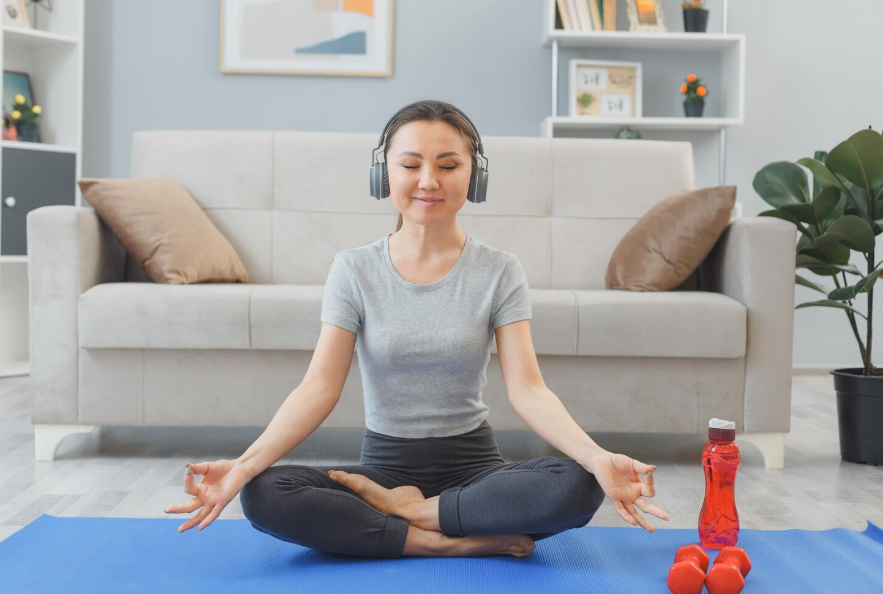
Modern life can feel overwhelming. Work, studies, family responsibilities, social media, and constant notifications can make it difficult to slow down and enjoy a moment of peace. Meditation offers a simple way to create space in your day, focus your attention, and develop a greater sense of calm.
You do not need special equipment or a large amount of free time to begin. Even a few quiet minutes each day can become a valuable part of your routine. With regular practice, meditation can help you become more aware of your thoughts, manage everyday stress, and approach daily situations with greater patience.
What Is Meditation?
Meditation is a practice that involves training your attention and awareness. There are many different forms of meditation, but many involve sitting quietly, focusing on the breath, and observing thoughts without immediately reacting to them.
Meditation is not about completely emptying your mind. Thoughts will naturally appear, especially when you are new to the practice. The goal is to notice those thoughts and gently return your attention to the chosen point of focus.
Some people meditate for relaxation, while others practice to improve concentration, develop mindfulness, or simply create a peaceful moment during a busy day.
Benefits of Regular Meditation
A consistent meditation practice can offer several benefits for mental and emotional well-being. The experience can be different for everyone, and meditation should complement rather than replace professional care when someone needs it.
Helps Manage Everyday Stress
One of the most common reasons people begin meditating is to create a calmer response to everyday pressure. Sitting quietly and focusing on the present moment can provide a temporary break from a busy schedule.
Rather than immediately reacting to every thought or situation, meditation encourages you to observe what is happening. This can help you develop a greater sense of awareness when dealing with everyday challenges.
Supports Better Focus
Constant distractions can make it difficult to concentrate on one task. Meditation involves repeatedly bringing your attention back to a specific focus, such as your breathing.
Over time, this practice can encourage greater awareness of where your attention is going. That skill can be useful when reading, working, studying, or completing other activities that require concentration.
Encourages Emotional Awareness
Meditation can help you notice thoughts and emotions without immediately judging them. For example, you might recognize that you are feeling frustrated, worried, or distracted.
Simply noticing an emotion does not make it disappear, but it can create a little distance between the feeling and your reaction. With practice, this awareness may help you respond to situations more thoughtfully.
Creates Time for Yourself
Busy schedules often leave little time for quiet reflection. Setting aside even five or ten minutes for meditation gives you an opportunity to step away from your responsibilities.
This small pause can become a meaningful part of your day. Instead of viewing meditation as another task on your list, think of it as dedicated time to slow down and reconnect with yourself.
How to Start Meditating
Starting does not have to be complicated. In fact, keeping your first sessions simple can make it easier to continue.
Find a comfortable and relatively quiet place. You can sit on a chair, cushion, or another comfortable surface. Keep your back reasonably upright without making yourself uncomfortable.
Close your eyes if that feels comfortable, or keep your gaze soft. Take a few natural breaths and notice how the air feels as you breathe in and out.
When your mind wanders, simply notice it. You do not need to criticize yourself. Gently return your attention to your breathing.
Start with five minutes. Once you become comfortable with the practice, you can gradually increase the length if you want to.
Choose a Meditation Time
Creating a regular schedule can make meditation easier to maintain. Choose a time that fits naturally into your lifestyle.
Some people prefer meditating in the morning before starting their day. Others enjoy a short session during a lunch break or in the evening before getting ready for bed.
There is no universal best time. The most effective time is one that you can consistently maintain.
Try attaching meditation to an existing habit. For example, you could meditate after brushing your teeth in the morning or after returning home from work. Linking the new habit to something you already do can make it easier to remember.
Start Small and Stay Consistent
A common mistake is expecting too much from the beginning. You may decide to meditate for 30 minutes every day, only to find that the schedule is difficult to maintain.
Starting with five minutes can be more practical. Once meditation becomes familiar, you can decide whether longer sessions suit you.
Consistency matters more than perfection. Missing one day does not mean your routine has failed. Simply return to your practice the next day.
The goal is to develop a sustainable habit rather than achieve a perfect record.
Explore Different Meditation Techniques
There is no single way to meditate. Exploring different techniques can help you discover what works best for your needs.
Mindfulness meditation often involves paying attention to the present moment and observing thoughts, feelings, and sensations.
Breathing meditation uses the breath as the primary focus of attention. It can be particularly simple for beginners.
Guided meditation involves listening to spoken instructions that lead you through a practice. This can be useful if you find it difficult to meditate independently.
Loving-kindness meditation focuses on developing feelings of goodwill and compassion toward yourself and others.
Walking meditation provides another option for people who find sitting still difficult. Instead of focusing on the breath while seated, you pay attention to the physical experience of walking.
Make Your Environment Supportive
Your surroundings can influence your ability to settle into meditation. Choose a location where interruptions are less likely.
You do not need a dedicated meditation room. A quiet corner of your bedroom, living room, office, or another comfortable space can work.
Keep your meditation area simple. Some people enjoy using a cushion, soft lighting, or calming sounds, but these are optional. The most important thing is creating a setting where you can comfortably focus.
If your phone is a major source of distraction, silence notifications or place the device somewhere out of reach during your session.
Be Patient With Yourself
Meditation can feel difficult at first. Your mind may wander constantly, you may become impatient, or you may wonder whether you are doing it correctly.
These experiences are normal parts of learning. Every time you notice that your attention has wandered and bring it back, you are practicing.
Try not to judge the quality of each session. Some days may feel peaceful, while other days may feel restless. Both experiences can be part of the process.
Instead of looking for immediate results, focus on building a regular practice.
Build Meditation Into Everyday Life
Meditation does not have to remain limited to a formal sitting session. You can bring mindfulness into ordinary activities.
When eating, pay attention to the taste, texture, and smell of your food. When walking, notice your surroundings and the movement of your body. When talking with someone, try to listen without immediately planning your response.
These small moments can encourage greater awareness throughout the day.
Over time, meditation can become less about finding a perfect quiet moment and more about learning to pay attention to the moment you are already experiencing.
Final Thoughts
Meditation is a simple practice that can provide a valuable pause in an increasingly busy world. By giving yourself a few minutes to breathe, observe your thoughts, and focus on the present, you can develop a more mindful approach to everyday life.
The key is to start small, choose a realistic time, and remain consistent. You do not need to meditate perfectly, and you do not need hours of free time. A few intentional minutes can be enough to begin building a lasting habit.
As you become more comfortable, you can explore different techniques and find an approach that fits your lifestyle. The most important step is simply to begin and give yourself the opportunity to discover what regular meditation can add to your daily routine.