

Modern life can feel overwhelming. Work responsibilities, personal commitments, constant notifications, financial concerns, and social expectations can leave the mind feeling busy throughout the day. Finding a moment of quiet can sometimes seem impossible. This is where mindfulness can become a valuable part of everyday life. Mindfulness is the practice of paying attention to the present moment without immediately judging what is happening. Instead of constantly worrying about the future or replaying the past, mindfulness encourages you to notice your thoughts, emotions, surroundings, and physical sensations as they happen. With regular practice, it can become a simple way to create more calm and balance in daily life. What Is Mindfulness? Mindfulness means intentionally bringing your attention to the present. It does not require you to stop thinking or completely empty your mind. Thoughts will naturally appear, and the goal is to notice them without becoming controlled by them. For example, while drinking a cup of tea, you might notice its warmth, smell, taste, and texture instead of scrolling through your phone or thinking about your next task. This simple act of paying attention turns an ordinary activity into a mindful experience. Mindfulness can be practiced through meditation, breathing exercises, walking, eating, stretching, or everyday activities. The important part is being fully present rather than operating on autopilot. How Mindfulness Can Help With Stress Stress often increases when the mind focuses heavily on things that have already happened or events that have not happened yet. Mindfulness encourages people to return their attention to what is happening right now. When you focus on your breathing, for example, you give your attention a simple point of focus. You may notice thoughts appearing, but instead of following every thought, you gently bring your attention back to the breath. This practice can create a pause between an experience and your reaction to it. Over time, that pause may help you respond to challenging situations more thoughtfully rather than reacting automatically. Mindfulness is not a way to eliminate every source of stress. Instead, it can help you develop a healthier relationship with stressful thoughts and everyday challenges. Start With Simple Breathing Exercises One of the easiest ways to begin practicing mindfulness is through conscious breathing. You do not need special equipment or a large amount of free time. Find a comfortable position and pay attention to your natural breathing. Notice the sensation of air moving in and out. You may feel your chest or abdomen rise and fall. Your attention will probably wander. When you notice that happening, gently return your focus to your breathing. Start with just a few minutes each day. As the practice becomes more comfortable, you can gradually increase the amount of time. Practice Mindful Observation Mindful observation involves focusing closely on something around you. It could be a tree, a cup of coffee, a piece of fruit, or the sounds you hear outside. Choose one object and spend a few moments observing it carefully. Notice its shape, texture, color, temperature, and other details. This exercise helps train your attention. It also demonstrates that ordinary moments can become opportunities for awareness. Bring Mindfulness Into Everyday Activities Mindfulness does not have to be limited to meditation. Everyday activities can become opportunities to practice being present. When eating, slow down and pay attention to the food. Notice its flavor, smell, texture, and temperature. When walking, notice how your feet touch the ground and how your body moves. Even household activities such as washing dishes, cleaning, or preparing food can become mindful experiences when you focus fully on what you are doing. These small practices can make mindfulness easier to maintain because they do not require setting aside a large block of time. Learn to Observe Your Thoughts People often assume that mindfulness means having no thoughts. In reality, thoughts are a normal part of the experience. The goal is to notice thoughts without automatically accepting every thought as a fact. Suppose you make a mistake and immediately think, “I always get things wrong.” Mindfulness allows you to recognize that thought without immediately believing it. You might simply notice, “I am having a negative thought about myself.” This small shift can create emotional distance and provide an opportunity to respond more constructively. Create a Consistent Mindfulness Routine Like any habit, mindfulness becomes easier when practiced consistently. Choose a time of day that works for you. Some people prefer practicing in the morning before beginning their daily responsibilities. Others find an evening practice helpful for slowing down before bed. You could start with five minutes a day and gradually build from there. Consistency matters more than duration. Keeping your practice simple also makes it easier to continue. You do not need an elaborate routine to experience the value of paying attention to the present. Use Mindfulness During Difficult Moments Mindfulness can be particularly useful when emotions become intense. If you feel frustrated, anxious, or overwhelmed, pause for a moment before responding. Take a few slow breaths and notice what is happening in your body. Are your shoulders tense? Is your heart beating faster? Are you clenching your hands? Then observe the emotion without immediately trying to push it away. This does not mean ignoring problems. Instead, it gives you a chance to understand what you are experiencing before deciding what to do next. Be Patient With Yourself Developing mindfulness takes practice. Some days your attention may feel focused, while on other days your mind may wander constantly. That is normal. Avoid judging yourself for having distracting thoughts. Every time you notice your attention has wandered and gently return to the present, you are practicing mindfulness. The goal is not perfection. The goal is awareness. Approaching mindfulness with patience can make the practice more enjoyable and sustainable. Mindfulness and a Balanced Lifestyle Mindfulness works best as part of a broader approach to well-being. Regular physical activity, sufficient sleep, healthy relationships, time outdoors, and meaningful activities can all contribute to a more balanced life. It is also
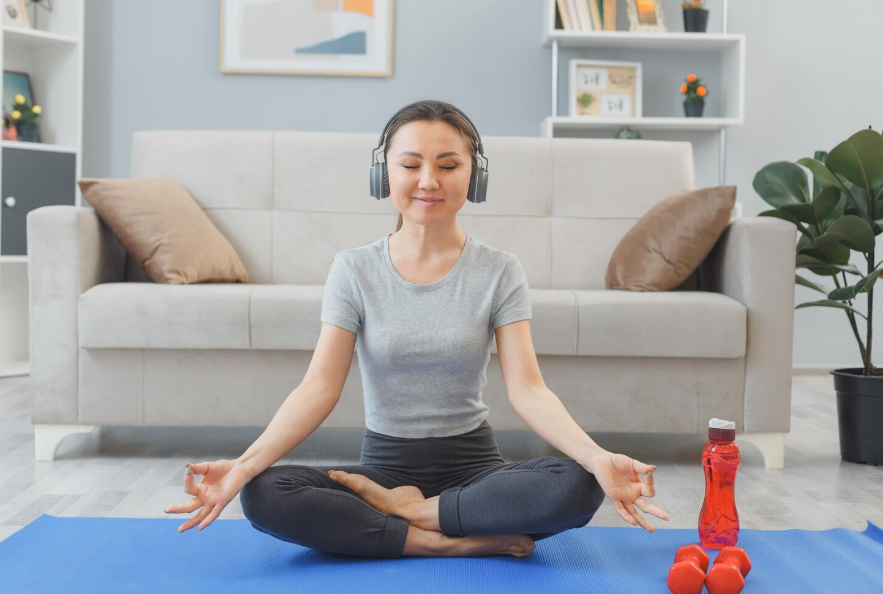
The Benefits of Meditation and How to Make It Part of Your Daily Routine
Modern life can feel overwhelming. Work, studies, family responsibilities, social media, and constant notifications can make it difficult to slow down and enjoy a moment of peace. Meditation offers a simple way to create space in your day, focus your attention, and develop a greater sense of calm. You do not need special equipment or a large amount of free time to begin. Even a few quiet minutes each day can become a valuable part of your routine. With regular practice, meditation can help you become more aware of your thoughts, manage everyday stress, and approach daily situations with greater patience. What Is Meditation? Meditation is a practice that involves training your attention and awareness. There are many different forms of meditation, but many involve sitting quietly, focusing on the breath, and observing thoughts without immediately reacting to them. Meditation is not about completely emptying your mind. Thoughts will naturally appear, especially when you are new to the practice. The goal is to notice those thoughts and gently return your attention to the chosen point of focus. Some people meditate for relaxation, while others practice to improve concentration, develop mindfulness, or simply create a peaceful moment during a busy day. Benefits of Regular Meditation A consistent meditation practice can offer several benefits for mental and emotional well-being. The experience can be different for everyone, and meditation should complement rather than replace professional care when someone needs it. Helps Manage Everyday Stress One of the most common reasons people begin meditating is to create a calmer response to everyday pressure. Sitting quietly and focusing on the present moment can provide a temporary break from a busy schedule. Rather than immediately reacting to every thought or situation, meditation encourages you to observe what is happening. This can help you develop a greater sense of awareness when dealing with everyday challenges. Supports Better Focus Constant distractions can make it difficult to concentrate on one task. Meditation involves repeatedly bringing your attention back to a specific focus, such as your breathing. Over time, this practice can encourage greater awareness of where your attention is going. That skill can be useful when reading, working, studying, or completing other activities that require concentration. Encourages Emotional Awareness Meditation can help you notice thoughts and emotions without immediately judging them. For example, you might recognize that you are feeling frustrated, worried, or distracted. Simply noticing an emotion does not make it disappear, but it can create a little distance between the feeling and your reaction. With practice, this awareness may help you respond to situations more thoughtfully. Creates Time for Yourself Busy schedules often leave little time for quiet reflection. Setting aside even five or ten minutes for meditation gives you an opportunity to step away from your responsibilities. This small pause can become a meaningful part of your day. Instead of viewing meditation as another task on your list, think of it as dedicated time to slow down and reconnect with yourself. How to Start Meditating Starting does not have to be complicated. In fact, keeping your first sessions simple can make it easier to continue. Find a comfortable and relatively quiet place. You can sit on a chair, cushion, or another comfortable surface. Keep your back reasonably upright without making yourself uncomfortable. Close your eyes if that feels comfortable, or keep your gaze soft. Take a few natural breaths and notice how the air feels as you breathe in and out. When your mind wanders, simply notice it. You do not need to criticize yourself. Gently return your attention to your breathing. Start with five minutes. Once you become comfortable with the practice, you can gradually increase the length if you want to. Choose a Meditation Time Creating a regular schedule can make meditation easier to maintain. Choose a time that fits naturally into your lifestyle. Some people prefer meditating in the morning before starting their day. Others enjoy a short session during a lunch break or in the evening before getting ready for bed. There is no universal best time. The most effective time is one that you can consistently maintain. Try attaching meditation to an existing habit. For example, you could meditate after brushing your teeth in the morning or after returning home from work. Linking the new habit to something you already do can make it easier to remember. Start Small and Stay Consistent A common mistake is expecting too much from the beginning. You may decide to meditate for 30 minutes every day, only to find that the schedule is difficult to maintain. Starting with five minutes can be more practical. Once meditation becomes familiar, you can decide whether longer sessions suit you. Consistency matters more than perfection. Missing one day does not mean your routine has failed. Simply return to your practice the next day. The goal is to develop a sustainable habit rather than achieve a perfect record. Explore Different Meditation Techniques There is no single way to meditate. Exploring different techniques can help you discover what works best for your needs. Mindfulness meditation often involves paying attention to the present moment and observing thoughts, feelings, and sensations. Breathing meditation uses the breath as the primary focus of attention. It can be particularly simple for beginners. Guided meditation involves listening to spoken instructions that lead you through a practice. This can be useful if you find it difficult to meditate independently. Loving-kindness meditation focuses on developing feelings of goodwill and compassion toward yourself and others. Walking meditation provides another option for people who find sitting still difficult. Instead of focusing on the breath while seated, you pay attention to the physical experience of walking. Make Your Environment Supportive Your surroundings can influence your ability to settle into meditation. Choose a location where interruptions are less likely. You do not need a dedicated meditation room. A quiet corner of your bedroom, living room, office, or another comfortable space can work. Keep your meditation area simple. Some people enjoy using a

How to Build Healthy Habits That Support Emotional Healing
Emotional healing is a personal journey that takes time, patience, and self-awareness. Difficult experiences, major life changes, stress, disappointment, and loss can affect the way we think and feel. While healing does not happen overnight, the daily habits we develop can provide valuable support along the way. Healthy routines can create a sense of stability when life feels uncertain. Simple actions such as getting enough rest, moving your body, eating nourishing foods, connecting with supportive people, and making time for yourself can gradually improve your overall well-being. The goal is not to create a perfect lifestyle, but to develop habits that help you feel more balanced and supported. Understand What Emotional Healing Means Emotional healing does not necessarily mean forgetting painful experiences or pretending that everything is fine. Instead, it can involve learning to process difficult emotions, understand your experiences, and develop healthier ways of responding to challenges. Everyone’s healing process looks different. Some people may need more time alone, while others may benefit from talking with trusted friends or professionals. There is no single routine that works for everyone. The most important step is recognizing what you need and giving yourself permission to take things one day at a time. Create a Consistent Daily Routine A predictable daily routine can provide comfort during emotionally difficult periods. When your thoughts feel overwhelming, having a few regular activities can give your day structure. Try setting consistent times for waking up, eating meals, working, relaxing, and going to bed. Your routine does not need to be complicated. Even small habits can create a sense of normalcy. For example, starting the morning with a glass of water, a few minutes of quiet time, and a simple breakfast can give you a positive beginning. At night, putting away electronic devices and following a calming routine may help you transition toward rest. Consistency matters more than perfection. Prioritize Quality Sleep Sleep plays an important role in everyday emotional well-being. When you are tired, ordinary problems can feel more difficult to manage. Poor sleep may also make it harder to concentrate and maintain a positive outlook. Developing a relaxing bedtime routine can help support better sleep. Try going to bed and waking up at similar times each day. Keep your sleeping environment comfortable and reduce unnecessary distractions before bedtime. If your mind becomes busy at night, writing down your thoughts or making a short list for the next day may help you clear your mind. If ongoing sleep problems are affecting your daily life, consider speaking with a qualified healthcare professional. Move Your Body Regularly Physical activity can be a useful part of a healthy emotional wellness routine. You do not need to follow an intense workout program to benefit from movement. Walking, stretching, cycling, swimming, dancing, or practicing gentle exercises can help you become more active. Even a short walk outside can provide an opportunity to change your surroundings and take a mental break. Choose activities that you enjoy rather than treating exercise as a punishment. When movement becomes something you look forward to, it is easier to make it a regular habit. Make Time for Mindfulness Mindfulness involves paying attention to the present moment rather than constantly worrying about the past or future. It can be practiced in simple ways throughout the day. Take a few minutes to sit quietly and notice your breathing. Pay attention to the sensations around you. When your thoughts wander, gently bring your attention back to the present. You can also practice mindfulness while eating, walking, drinking tea, or completing everyday activities. The purpose is not to eliminate every difficult thought. Instead, mindfulness can help you observe thoughts and feelings without immediately reacting to them. Express Your Feelings Keeping difficult emotions hidden for long periods can feel exhausting. Finding healthy ways to express yourself can be an important part of emotional well-being. Writing in a journal can give you a private space to explore your thoughts. You might write about what happened, how you feel, what you need, or what you hope will change. Creative activities can also provide an outlet. Painting, drawing, music, photography, or other forms of creative expression can help communicate feelings that are difficult to put into words. Talking with someone you trust can also make a difference. A supportive conversation can help you feel heard and less alone. Build Supportive Relationships Healthy relationships can provide encouragement, understanding, and connection during challenging times. Spend time with people who respect your boundaries and allow you to be yourself. You do not need a large social circle. Even one or two trustworthy relationships can provide meaningful support. At the same time, emotional healing may require creating distance from relationships that consistently cause stress, disrespect, or emotional exhaustion. Setting boundaries is not selfish. It can be an important part of protecting your well-being. Practice Self-Compassion Many people are kinder to others than they are to themselves. During difficult periods, it is easy to criticize yourself for feeling sad, anxious, tired, or unmotivated. Try replacing harsh self-judgment with understanding. Remind yourself that difficult emotions are part of being human and that healing takes time. Instead of saying, “I should be over this already,” consider saying, “I am doing my best, and I can give myself more time.” Self-compassion does not mean avoiding responsibility. It means recognizing your struggles without treating yourself as a failure. Develop Healthy Boundaries Boundaries help define what you are comfortable with and what you are not. They can apply to relationships, work, family, social activities, and personal time. Learning to say no when necessary can protect your energy. You do not have to accept every invitation, respond immediately to every message, or solve every problem for someone else. Healthy boundaries allow you to make space for rest and personal priorities. They can also help create more respectful relationships. Limit Habits That Make You Feel Worse Emotional discomfort can sometimes lead people toward habits that provide temporary relief but create additional problems later. Excessive screen

Understanding the Healing Journey: Steps Toward Inner Peace
Healing is not always a straight path. Some days may feel hopeful and peaceful, while others can bring difficult emotions, uncertainty, or memories that are hard to understand. The healing journey is deeply personal, and there is no single timeline or method that works for everyone. True healing is often about learning to understand yourself, accepting what you cannot change, and finding healthy ways to move forward. It does not necessarily mean forgetting difficult experiences. Instead, it can mean reaching a place where those experiences no longer control your everyday life. What Does Healing Really Mean? Healing can take many forms. For one person, it may involve recovering from an emotionally difficult period. For another, it may mean rebuilding confidence, developing healthier relationships, or learning how to manage everyday stress. Healing does not require you to feel positive all the time. Difficult emotions are a normal part of life. Sadness, anger, disappointment, fear, and frustration can all provide information about what you need. The important thing is learning to acknowledge these feelings rather than constantly pushing them away. When emotions are recognized and understood, it can become easier to respond to them in healthier ways. Start by Accepting Where You Are One of the most important steps toward inner peace is accepting your current situation. Acceptance does not mean approving of everything that has happened. It simply means recognizing reality without spending all your energy wishing that the past had been different. Many people become exhausted by fighting against things they cannot control. Acceptance can help redirect that energy toward choices that are possible today. Try asking yourself simple questions such as, “What can I control right now?” and “What is one small thing I can do to support myself today?” These questions can shift your attention from the past or future toward the present moment. Learn to Listen to Your Emotions Emotions often carry important messages. Instead of immediately judging yourself for feeling a certain way, try becoming curious about the emotion. For example, anger may point toward an unmet need or a personal boundary that has been crossed. Sadness may indicate that you have experienced a loss or need additional support. Anxiety may be connected to uncertainty or fear about what could happen. You do not have to act on every emotion. The goal is to notice what you are experiencing and understand it before deciding how to respond. Writing in a journal can be a useful way to organize thoughts and identify emotional patterns. Practice Self-Compassion People are often much harder on themselves than they are on others. A mistake that they would easily forgive in a friend can become a source of harsh self-criticism. Self-compassion means treating yourself with patience and understanding, especially during difficult periods. Instead of thinking, “I should have handled this better,” try asking, “What can I learn from this experience?” Changing your inner dialogue does not mean ignoring mistakes. It means using mistakes as opportunities to learn rather than reasons to constantly criticize yourself. Create Healthy Daily Routines Small daily habits can support emotional well-being. You do not need to completely change your lifestyle to begin feeling more balanced. Simple activities such as getting enough sleep, eating regular meals, drinking enough water, spending time outdoors, and moving your body can provide a foundation for overall well-being. A daily routine can also create a sense of stability during uncertain periods. Even simple habits, such as making your bed, taking a morning walk, reading for a few minutes, or writing down your priorities, can give your day structure. Consistency matters more than perfection. Set Healthy Boundaries Relationships can have a significant impact on your emotional well-being. Learning to establish healthy boundaries can help protect your time, energy, and personal space. A boundary might mean saying no to a request you cannot reasonably handle. It might also mean limiting conversations that consistently leave you feeling drained or stepping away from situations that are unhealthy for you. Setting boundaries can feel uncomfortable at first, especially if you are accustomed to putting everyone else’s needs before your own. However, healthy boundaries can support more balanced relationships. Remember that saying no does not automatically make you selfish. Your needs matter too. Make Time for Stillness Modern life can make it difficult to slow down. Phones, notifications, work, responsibilities, and constant information can leave very little room for quiet reflection. Creating moments of stillness can help you reconnect with yourself. You might spend a few minutes sitting quietly, practicing deep breathing, walking without your phone, listening to calming music, or simply observing your surroundings. You do not need a complicated routine. Even five or ten minutes of intentional quiet can create space to notice your thoughts and emotions. Let Go of What You Cannot Control A significant part of inner peace comes from understanding the difference between what you can control and what you cannot. You can influence your choices, actions, communication, and responses. You cannot completely control other people’s opinions, decisions, behavior, or reactions. Trying to control everything can create unnecessary stress. When you recognize what is outside your control, you can focus more attention on the areas where your actions can actually make a difference. Letting go is not giving up. Sometimes, it is choosing where your energy deserves to go. Allow Yourself to Ask for Support Healing does not have to happen alone. Talking with someone you trust can provide comfort, perspective, and encouragement. Friends and family members may offer emotional support, while qualified mental health professionals can provide specialized guidance when emotional difficulties become overwhelming or interfere with daily life. Seeking professional help is not a sign of weakness. It can be a practical step toward understanding yourself and developing healthier ways to cope. If you are experiencing severe emotional distress or feel that you may hurt yourself, seek immediate support from a qualified professional or local emergency service. Be Patient With Your Progress One of the biggest mistakes people make during healing is

Restore Your Body: The Real Impact of Campbelltown Massage Therapy
Campbelltown residents often overlook what’s available locally. They assume quality massage therapy exists only in Sydney’s inner city, requiring inconvenient travel. The reality is quite different. Campbelltown massage therapy services have become genuinely sophisticated, yet people remain sceptical about what they’ll actually receive. Understanding what legitimate practitioners offer versus typical misconceptions determines whether someone discovers real relief or wastes time on mediocre experiences. Local therapists understand the specific physical challenges Campbelltown residents face. The commuter culture, desk-based work, and suburban stressors create particular muscle tension patterns that generalised massage approaches struggle addressing effectively. Desk Work Destroys Posture Campbelltown’s commuter workforce sits for extended periods daily. Cars, offices, and couches combine creating catastrophic postural problems. Upper back tension becomes epidemic because neck muscles compensate for forward head positioning. Shoulders climb toward ears from constant tension. Therapists addressing these issues require understanding how modern work genuinely damages bodies. Generic massage occasionally helps temporarily but rarely addresses root causes. Campbelltown massage therapy practitioners familiar with typical commuter problems target specific muscle groups causing issues. They understand that relief demands addressing postural dysfunction alongside muscle tension. Standard relaxation massage feels pleasant but doesn’t solve mechanical problems driving pain. Local Therapists Get Your Life Practitioners working in Campbelltown understand the area’s particular demands. They know about traffic congestion stressing bodies and minds. They understand the financial pressures affecting many residents. They recognise how suburban isolation differs from inner-city experiences. This contextual understanding shapes how they approach treatment. Someone from Sydney’s CBD might miss what local practitioners immediately recognise. Understanding your actual lifestyle determines appropriate treatment approach. Therapists asking genuine questions about your life rather than following scripts deliver better results. They modify techniques based on understanding your specific circumstances. Commute Muscle Patterns Are Real Driving creates distinctive muscle tension patterns most therapists fail recognising. Gripping steering wheels, maintaining awkward positions, and shoulder elevation during driving create specific problem areas. Different commute distances create different patterns. Someone driving forty minutes experiences different tension than someone with shorter commutes. Long commutes create cumulative damage most people don’t consciously recognise. Therapists understanding commute mechanics target appropriate areas effectively. Standard massage occasionally helps but often misses the actual problem areas requiring attention. Stress Manifests Physically Campbelltown residents experience particular stress patterns. Housing affordability anxiety creates constant tension. Work pressures combine with family responsibilities creating ongoing stress. This psychological pressure manifests physically in muscle tension and reduced flexibility. Massage theoretically addresses physical symptoms whilst ignoring psychological causes. Experienced therapists understand that emotional stress requires acknowledging during treatment. Techniques helping clients release tension mentally alongside physical release prove far more effective. Practitioners who entirely ignore the stress component deliver disappointing results because they’re only treating half the problem. Consistency Matters Enormously Single massage appointments rarely create lasting change. People receive one session, feel temporarily better, then revert to old patterns within days. Consistent regular treatment allows genuine postural correction and muscle memory rebuilding. Many Campbelltown residents expect single treatments solving months or years of accumulated tension. Understanding that meaningful change requires ongoing commitment prevents disappointment. Therapists recommending single sessions appear less profitable than those recommending regular treatment. Honest practitioners discuss realistic expectations about how many sessions addressing specific problems typically requires. Quick fixes don’t exist regardless of therapist skill. Finding Legitimate Practitioners Campbelltown has genuinely skilled therapists alongside less experienced operators. Credentials matter significantly though many people don’t verify them. Proper qualifications require substantial training programmes. Experienced practitioners continue education throughout careers. Someone claiming expertise without credentials deserves scepticism. Word-of-mouth recommendations carry more weight than impressive websites. Friends experiencing genuine results provide better guidance than marketing language. Asking detailed questions about training and experience reveals whether practitioners know what they’re discussing. Home Care Changes Everything Professional massage helps temporarily without home care supporting results. Therapists recommend stretches and postural adjustments patients must maintain between sessions. Following these recommendations determines whether treatment creates lasting change. Clients ignoring home care exercises return with identical problems. Practitioners deserve feedback about whether home recommendations actually work for you. Adjustments sometimes need making based on your actual situation versus theoretical approaches. Conclusion Campbelltown massage therapy delivers genuine results when you select appropriate practitioners and maintain realistic expectations. Local therapists understanding your specific circumstances and commute stressors address problems more effectively than generalised approaches. Consistent treatment combined with home care creates lasting improvements. Scepticism about local services proves unnecessary once you find skilled practitioners who understand Campbelltown residents’ particular challenges and needs genuinely.

The Complete Guide to Improving Your Gut Health Naturally
Gut health plays an important role in overall well-being. The digestive system does much more than break down food. It helps absorb nutrients, supports the immune system, and is home to trillions of microorganisms that interact with the body every day. When your digestive system is working well, you may notice better digestion, more regular bowel movements, and improved comfort after meals. The good news is that supporting your digestive system does not necessarily require complicated changes. Everyday choices involving food, hydration, movement, sleep, and stress management can make a meaningful difference. Understanding these habits can help you build a sustainable approach to digestive wellness. Understand Your Digestive System Your digestive tract contains a complex community of bacteria and other microorganisms, often called the gut microbiome. These microorganisms interact with the food you eat and play a role in normal digestive processes. Everyone has a different microbiome, influenced by factors such as diet, age, lifestyle, environment, and medication use. There is no single eating pattern that works perfectly for everyone. Instead, the goal should be to create habits that support a diverse and balanced digestive environment. Paying attention to how your body responds to different foods can also be useful. Keeping a simple food and symptom journal may help you identify patterns, particularly if certain meals consistently cause discomfort. Eat More Fiber-Rich Foods Fiber is an important part of a balanced diet and can support regular bowel movements. It is found naturally in foods such as fruits, vegetables, beans, lentils, whole grains, nuts, and seeds. There are different types of dietary fiber, and both can be valuable. Some types help add bulk to stool, while others can be fermented by gut microorganisms. If your current diet is low in fiber, increase it gradually. A sudden large increase may cause temporary gas or bloating. Drinking enough fluids while increasing fiber can also help your digestive system adjust. Instead of focusing on one so-called superfood, aim for variety. Eating different plant foods throughout the week provides a broader range of nutrients and fibers. Include Fermented Foods Fermented foods can be a useful addition to a balanced diet. Examples include yogurt containing live cultures, kefir, sauerkraut, kimchi, and other traditionally fermented foods. These foods can contain beneficial microorganisms, although the amount and type can vary considerably between products. If you enjoy fermented foods, adding them to regular meals can be an easy way to increase dietary variety. Choose products that fit your nutritional needs and check labels when appropriate, since some packaged fermented foods can contain significant amounts of added sugar or sodium. Stay Properly Hydrated Water is essential for many functions in the body, including normal digestion. Adequate fluid intake can also help fiber work effectively. Rather than waiting until you feel extremely thirsty, drink fluids regularly throughout the day. Your individual needs can vary depending on activity, climate, diet, and other factors. Water does not have to be your only source of fluids. Foods such as fruits, vegetables, soups, and other water-rich choices can contribute to overall hydration. Limit Highly Processed Foods Highly processed foods are not automatically harmful, and enjoying them occasionally can fit into a balanced lifestyle. However, diets heavily based on foods high in added sugars, refined carbohydrates, unhealthy fats, and sodium may leave less room for nutrient-rich whole foods. Try building meals around vegetables, fruits, whole grains, legumes, nuts, seeds, and appropriate sources of protein. Making gradual substitutions is often easier than trying to eliminate every processed food at once. For example, you could replace a highly refined snack with fruit and nuts or choose whole grains more often. Exercise Regularly Physical activity benefits many aspects of health and may also support normal digestive function. Regular movement can be as simple as walking, cycling, swimming, dancing, or participating in a favorite sport. You do not need an intense workout every day to become more active. Consistency is more important than perfection. If you spend long periods sitting, adding short movement breaks throughout the day can be a practical starting point. Combining regular activity with nutritious meals and adequate rest can create a stronger foundation for overall wellness. Manage Everyday Stress Stress can affect the way the digestive system feels and functions. Some people notice changes in appetite, bowel habits, bloating, or abdominal discomfort during stressful periods. Finding healthy ways to manage stress may therefore be helpful. Activities such as deep breathing, meditation, reading, gentle exercise, spending time outdoors, or connecting with friends and family can provide opportunities to relax. There is no universally perfect stress-management technique. The best option is one that you enjoy and can practice consistently. Get Enough Quality Sleep Sleep is another important part of a healthy lifestyle. Poor sleep can affect energy, mood, appetite, and daily routines, which may indirectly influence eating and digestive habits. Try to maintain a consistent sleep schedule whenever possible. Creating a relaxing bedtime routine, reducing unnecessary screen exposure before bed, and keeping your sleeping environment comfortable may support better rest. Adults generally need around seven or more hours of sleep each night, although individual needs can vary. Be Careful With Unnecessary Supplements The popularity of probiotics, digestive enzymes, herbal products, and other supplements has grown considerably. However, more supplements do not necessarily mean better digestive health. Some people may benefit from specific supplements under professional guidance, but products can vary in quality and may not be appropriate for everyone. Before starting a supplement, especially if you take medications or have an existing health condition, discuss it with a qualified healthcare professional. A food-first approach is often a sensible foundation for general wellness. Pay Attention to Persistent Symptoms Occasional digestive discomfort can happen to anyone. However, persistent or severe symptoms should not simply be blamed on an unhealthy gut. Ongoing abdominal pain, unexplained weight loss, persistent diarrhea or constipation, blood in the stool, repeated vomiting, difficulty swallowing, or other concerning symptoms should be discussed with a healthcare professional. A doctor can help determine whether symptoms are related to

How Ayurveda Can Support Your Mind, Body, and Overall Well-Being
In a world filled with busy schedules, digital distractions, processed foods, and constant pressure, maintaining a healthy balance between the mind and body can be challenging. Many people are becoming more interested in traditional approaches to wellness that focus on daily routines, nutrition, relaxation, and overall balance. Ayurveda is one such traditional system that has been practiced in India for thousands of years. Ayurveda takes a holistic approach to well-being. Rather than focusing only on individual symptoms, it emphasizes the relationship between lifestyle, diet, mental state, daily habits, and physical health. Its principles can provide ideas for creating a more balanced and mindful lifestyle when used appropriately. Understanding the Principles of Ayurveda Ayurveda is a traditional system of health and wellness that originated in India. The word Ayurveda is commonly translated as “knowledge of life.” Its approach emphasizes maintaining balance through appropriate food, daily routines, movement, rest, and personal habits. A central concept in Ayurveda is the idea of three doshas: Vata, Pitta, and Kapha. These are traditionally described as combinations of different qualities and elements. Ayurvedic practitioners may consider an individual’s constitution when recommending lifestyle practices. It is important to remember that traditional Ayurvedic concepts are different from modern medical science. Ayurveda can be explored as a wellness tradition, but it should not replace professional medical care, particularly when someone has a serious or ongoing health concern. Supporting a Balanced Daily Routine One of the most practical aspects of Ayurveda is its emphasis on daily routines. Having consistent times for waking, eating, working, relaxing, and sleeping can help create structure in everyday life. A predictable routine may make it easier to maintain healthy habits. For example, eating meals at regular times can encourage more mindful eating, while establishing a relaxing evening routine may help prepare the body for sleep. Simple habits can include starting the morning without immediately checking digital devices, drinking water, practicing gentle movement, and setting aside time for relaxation. The goal is not to follow a complicated schedule. Instead, the focus is on developing sustainable habits that support a balanced lifestyle. Ayurveda and Mindful Eating Food plays an important role in Ayurvedic traditions. Instead of treating meals as something to consume quickly, Ayurveda encourages greater awareness of food, digestion, and individual needs. Mindful eating can be beneficial regardless of whether someone follows a specific Ayurvedic diet. Eating slowly, paying attention to hunger and fullness, and reducing distractions during meals can help people become more aware of their eating patterns. Traditional Ayurvedic practices often emphasize fresh, seasonal foods and meals prepared with herbs and spices. Common ingredients associated with Indian cooking include ginger, turmeric, cumin, coriander, and cardamom. However, individual nutritional needs vary considerably. A balanced diet should provide adequate protein, fiber, vitamins, minerals, healthy fats, and other essential nutrients. Promoting Relaxation and Mental Well-Being Mental well-being is another important part of the Ayurvedic approach. Traditional practices often emphasize calming routines, meditation, breathing exercises, and periods of quiet reflection. Meditation can be practiced for just a few minutes each day. Sitting quietly and focusing on breathing can provide an opportunity to step away from constant stimulation. Gentle breathing exercises may also encourage relaxation. People who are new to these practices can begin with simple, comfortable breathing rather than attempting advanced techniques. Creating time for activities such as reading, walking outdoors, journaling, or spending time with loved ones can also contribute to a calmer daily routine. The Role of Movement Regular physical activity is essential for overall health. Ayurveda traditionally recognizes the importance of movement and encourages physical activity that suits an individual’s abilities and circumstances. Modern forms of exercise can easily fit into a wellness routine. Walking, stretching, yoga, swimming, cycling, and strength training are examples of activities that can support physical fitness. Yoga is particularly associated with Ayurvedic wellness because it combines movement, breathing, and mindfulness. Beginners should choose practices appropriate for their experience and physical abilities. The most effective activity is often the one that can be performed consistently and safely. Supporting Healthy Sleep Habits Sleep has a major influence on energy, concentration, mood, and overall well-being. Ayurvedic traditions place considerable importance on maintaining regular sleep and waking patterns. A calming evening routine may help create better conditions for rest. This could include reducing screen time before bed, keeping the bedroom comfortable, avoiding heavy meals immediately before sleeping, and maintaining a consistent bedtime. Good sleep habits are not only an Ayurvedic concept. They are also widely recognized as an important part of healthy living. If someone regularly struggles with sleep despite making lifestyle changes, discussing the problem with a qualified healthcare professional can be helpful. Herbs and Ayurvedic Products Herbs and plant-based preparations are commonly associated with Ayurveda. Turmeric, ashwagandha, ginger, tulsi, and other herbs are frequently discussed in traditional wellness practices. However, natural does not automatically mean safe for everyone. Herbal products can interact with medications, affect medical conditions, or cause side effects. Supplements can also vary in quality and concentration. Anyone considering Ayurvedic herbs or supplements should speak with a qualified healthcare professional, especially if they take prescription medication, are pregnant, have an existing health condition, or are preparing for surgery. Using traditional herbs responsibly is more important than assuming that every natural product is harmless. Creating a Personalized Wellness Approach One of the strengths of Ayurveda is its emphasis on individual differences. People have different schedules, preferences, activity levels, nutritional requirements, and approaches to relaxation. Instead of trying to copy another person’s routine exactly, it can be more useful to identify habits that fit your own lifestyle. You might begin with a few simple changes, such as eating meals more mindfully, creating a consistent sleep schedule, practicing gentle movement, or spending several minutes each day in quiet reflection. Small habits are often easier to maintain than dramatic lifestyle changes. Combining Traditional Wisdom With Modern Health Care Ayurveda can offer valuable perspectives on routine, mindfulness, food, movement, and self-care. At the same time, modern healthcare provides evidence-based methods for diagnosing and treating

Revolutionizing Modern Healthcare with Advanced Robotic Surgical Technology
The healthcare industry is experiencing rapid transformation through the integration of advanced technologies that improve precision, efficiency, and patient outcomes. Among the most groundbreaking innovations in modern medicine is the development of the robotic surgery platform which has redefined how surgeons perform complex procedures across multiple medical specialties. These advanced systems combine robotics, digital imaging, and precision-based technology to support minimally invasive surgical procedures with enhanced accuracy and control. Hospitals around the world are increasingly adopting robotic-assisted surgery because it helps improve surgical performance while reducing recovery time and complications for patients. As healthcare providers continue to invest in innovative medical technologies, robotic surgical systems are becoming a key part of the future of modern healthcare. The Evolution of Surgical Innovation Traditional surgical procedures often require large incisions and extensive manual operation, which can lead to longer recovery periods and higher risks of complications. Over time, minimally invasive techniques became more common as healthcare professionals searched for safer and more efficient treatment methods. Robotic-assisted surgery represents the next major step in surgical advancement. These systems allow surgeons to perform highly precise movements using robotic instruments controlled through advanced digital interfaces. The technology provides improved visualization, enhanced dexterity, and greater precision during delicate procedures. The growing adoption of robotic technologies reflects the healthcare industry’s commitment to improving patient safety and delivering more effective surgical outcomes. Benefits of Robotic-Assisted Surgery One of the primary advantages of robotic-assisted procedures is improved surgical precision. Robotic systems can support movements that are more stable and controlled than traditional manual techniques, helping surgeons operate with greater accuracy in complex procedures. Patients also benefit from smaller incisions, reduced blood loss, and shorter recovery times. Minimally invasive robotic procedures often result in less pain and lower risk of infection compared to conventional open surgeries. For surgeons, robotic technology improves visualization through high-definition 3D imaging systems that provide a detailed view of the surgical area. Enhanced instrument flexibility and control also allow healthcare professionals to perform procedures that may be difficult using traditional methods. These advantages have contributed to the growing popularity of robotic surgery in fields such as cardiology, urology, gynecology, orthopedics, and general surgery. Growing Adoption Across Global Healthcare Systems Healthcare providers worldwide are investing heavily in advanced medical technologies to improve operational efficiency and patient care. Robotic-assisted surgery has become increasingly common in modern hospitals because it supports better clinical outcomes and enhances surgical capabilities. As populations age and chronic diseases become more prevalent, the demand for advanced surgical solutions continues to rise. Hospitals are seeking technologies that can improve treatment quality while optimizing healthcare resources. Developing healthcare markets are also expanding their investment in robotic surgical systems as medical infrastructure continues to modernize. This global growth is creating new opportunities for innovation and technological advancement in the healthcare industry. Integration of Artificial Intelligence and Digital Technology Artificial intelligence and digital healthcare technologies are playing an important role in the evolution of robotic surgery. Advanced software systems can assist surgeons by providing real-time data analysis, enhanced imaging, and improved surgical planning capabilities. Some robotic systems now include machine learning features that help optimize performance and improve procedural accuracy. These technologies can support decision-making during surgery and contribute to better patient outcomes. Digital integration is also helping hospitals create smarter operating environments where connected systems improve workflow efficiency, patient monitoring, and data management. As healthcare technology continues to evolve, artificial intelligence is expected to become an even more valuable component of robotic-assisted surgery. Focus on Safety and Surgical Accuracy Patient safety remains a top priority in the healthcare industry, especially when introducing advanced surgical technologies. Robotic surgical systems undergo extensive testing and quality evaluations before they can be used in clinical environments. Healthcare professionals receive specialized training to operate these systems effectively and safely. Hospitals also follow strict protocols to ensure robotic procedures meet international healthcare standards. Continuous innovation in robotic engineering and surgical software is helping manufacturers improve reliability, precision, and overall system performance. These advancements are contributing to greater confidence in robotic-assisted treatment methods among both surgeons and patients. The Future of Robotic Surgery The future of robotic-assisted healthcare looks highly promising as technology continues to advance. Next-generation robotic systems are expected to become more intelligent, efficient, and accessible for healthcare providers worldwide. Future innovations may include enhanced automation, real-time tissue analysis, remote surgical capabilities, and improved integration with artificial intelligence platforms. These developments could further transform surgical procedures and improve healthcare accessibility in remote regions. The healthcare industry is moving toward more personalized and technology-driven treatment approaches, and robotic-assisted surgery will continue to play a major role in this transformation. Conclusion Modern healthcare continues to evolve through the adoption of advanced technologies that improve precision, efficiency, and patient outcomes. Among the most important innovations shaping the future of surgery is the robotic surgery platform, which has significantly enhanced the way complex procedures are performed. As hospitals and healthcare providers continue to invest in minimally invasive and technology-driven solutions, robotic-assisted surgery is expected to become even more widespread in the coming years. With continuous advancements in robotics, artificial intelligence, and digital healthcare systems, these platforms will remain a vital part of the future of global healthcare innovation.

What Emergency Dental Care in Gosford Can Do for Your Smile When It Matters Most
Dental emergencies seldom introduce themselves gently. One minute everything is great, and the next there is a shattered molar, a swollen jaw, or a tooth lying in the palm of a hand after a tumble. What most individuals do not know in that time is that the judgements made in the next hour have more weight than anything a dentist can accomplish days later. For Central Coast residents, having dependable access toemergency dental care in Gosford is not only about convenience — it is about protecting teeth and tissue that just cannot wait for a normal planned session. Pain That Pulses Has a Reason Not every tooth pain operates the same way, and the pattern tells you quite a lot. Dull, generalised sensitivity is one thing. Pain that throbs in sync with the heartbeat is something else — it typically signifies pressure is accumulating inside a limited area, most frequently from infection or inflammation sitting at the root tip. That type of suffering does not level off. It builds slowly, frequently peaking at night when reclining down pushes blood pressure towards the head. By the time apparent swelling emerges on the cheek or jaw, the infection has already gone well beyond the tooth itself. The Abscess People Ignore A dental abscess is one of the more genuinely dangerous things that can quietly develop inside the mouth. People routinely treat it as something to manage with painkillers until a convenient appointment opens up. The infection does not wait for that appointment, though. It travels through soft tissue, along fascial planes, and in serious cases into the neck and the floor of the mouth. What begins as a single infected tooth can escalate in a direction that goes far beyond dentistry. Emergency dental care in Gosford exists precisely because these situations cannot be safely triaged onto a waiting list and left there. What Happens to a Knocked-Out Tooth The biology involved in reimplanting a tooth is surprisingly specific, and most people get the immediate response wrong. The periodontal ligament fibres on the root surface need to stay alive for reattachment to have any chance of working. Tap water destroys those cells through osmotic pressure — it feels like the logical thing to reach for, but it actively causes harm. Milk preserves the cells adequately. Saline is better still. Keeping the tooth in the socket itself, if the patient can manage it, is the most effective option of all. Emergency dental care in Gosford can successfully reimplant a knocked-out tooth, but the condition it arrives in makes an enormous difference to whether that succeeds. Cracks That Hide in Plain Sight A cracked tooth does not always announce itself with immediate pain. Some cracks run vertically through the root in a way that only produces a sharp sensation when biting at one particular angle – then disappears completely. People assume they caught something hard in their food and think nothing more of it. Weeks pass. The crack works its way deeper, bacteria settle into the gap, and what might have been a straightforward crown has quietly become a root canal, or in worse cases, an extraction. Cracks identified early can frequently be stabilised. Left alone, they almost never resolve by themselves. After-Hours Access Is the Real Test A dental practice that lists emergency care but only operates during standard weekday hours is not really offering much in a crisis. Emergencies do not check the calendar first. The honest question to ask about any clinic is not whether the phrase appears on their website — it is whether a qualified person actually picks up the phone on a Sunday evening. On-site imaging matters just as much. Treating dental trauma or infection without X-rays means working from guesswork, and guesswork affects both the diagnosis and whatever treatment follows. Conclusion Dental emergencies compress time in a way that routine problems simply do not. The difference between a tooth that can be saved and one that cannot is often measured in hours. Emergency dental care in Gosford gives Central Coast residents a genuine fighting chance when something goes wrong without warning — not just temporary pain relief, but proper clinical intervention that actually addresses the cause. Understanding that acting quickly changes real outcomes, and knowing exactly where to go before a crisis ever arrives, is the kind of preparation that is very easy to overlook until it suddenly becomes urgent.

Why a Health Sharing Plans Comparison Reveals Smarter Ways to Stay Protected
The landscape of personal healthcare arrangements has grown increasingly intricate. Many individuals have started to look beyond conventional insurance. They want something that fits their lives more naturally. Within this shift, a thoughtful health sharing plans comparisonbecomes far more than a routine step. It acts as a quiet safeguard. It helps prevent misunderstandings that only appear when circumstances turn serious. People often assume these plans behave in similar ways. That assumption rarely holds up for long. Real Structure At first glance, most plans appear well organised. The wording feels polished. Everything seems easy to follow. Yet structure is not about presentation. It shows itself only when someone begins to rely on the system. Some plans move with clarity. Each step feels expected, almost steady. Others feel less certain. Small gaps appear. Questions take longer to answer. This is where differences begin to matter. A plan that lacks structure does not fail immediately. It creates hesitation instead. Over time, that hesitation becomes difficult to ignore. Eligibility Reality Eligibility sounds simple when explained in broad terms. It rarely remains simple in practice. In a health sharing plans comparison, small inconsistencies start to surface. Two similar cases may not lead to the same outcome. Much depends on how guidelines are read and applied. This is not always visible at the beginning. It becomes clear only after closer attention. People who rely on brief summaries often miss this. Those who read carefully begin to notice how decisions are shaped behind the scenes. That understanding changes expectations. Everyday Usability Daily experience carries more weight than any written promise. A plan may appear manageable at first. Then small tasks begin to add up. Repeated communication. Ongoing follow up. Extra steps that were not obvious before. These details shape how the plan feels over time. A thoughtful health sharing plans comparison brings this into focus. It shows which plans remain simple in everyday use and which require more effort than expected. Ease is rarely highlighted. Yet it becomes one of the most important factors once the plan becomes part of routine life. Cultural Alignment There is also a quieter element that often goes unnoticed. Many plans carry a certain tone. It reflects shared beliefs or guiding ideas. For some individuals, this creates a sense of comfort. It feels familiar. For others, it may feel limiting. Even if everything else seems suitable. This alignment influences the overall experience in subtle ways. It does not appear in formal descriptions. It is felt over time. Ignoring it can lead to quiet dissatisfaction, even when the structure itself seems acceptable. Response Patterns The most revealing moments are often unexpected. A situation arises without warning. This is when response patterns become visible. Some plans reply with clarity. Communication feels steady. Guidance is easy to follow. Others respond more slowly. Information feels incomplete. Small delays create uncertainty. These moments define trust. More than any feature or promise. A careful comparison helps bring these patterns into view. It becomes easier to see which plans remain reliable under pressure and which begin to feel uncertain. Administrative Burden Behind every plan sits a layer of administration that rarely gets discussed. It is not always complex, but it can become time consuming. Members may need to track communication, keep records, or follow specific procedures to ensure everything moves forward. Some plans handle this smoothly. Others place more responsibility on the individual. This difference is easy to overlook at the beginning. Yet it shapes the overall experience in a very real way. A plan that demands constant attention can slowly feel less supportive. Long Term Stability Short term impressions can be misleading. A plan may seem reliable in the early stages, only for small inconsistencies to appear later. Stability is not about immediate performance. It is about how well a plan holds its ground over time. Changes in guidelines, shifts in communication, or delays in response can all affect this. Observing these patterns through comparison offers a more grounded perspective. It becomes easier to see which plans maintain consistency and which begin to drift as circumstances evolve. Conclusion A careful decision in this space cannot rely on surface impressions. Taking time with a health sharing plans comparison allows deeper details to emerge. Patterns begin to form. Differences become clearer. Some plans show consistency through their actions. Others rely on how they appear at first glance. This distinction matters more than it seems. When attention is given to how these plans behave in real situations, confidence begins to grow. Clarity replaces doubt. In the end, real understanding comes from what is experienced, not just what is presented.