
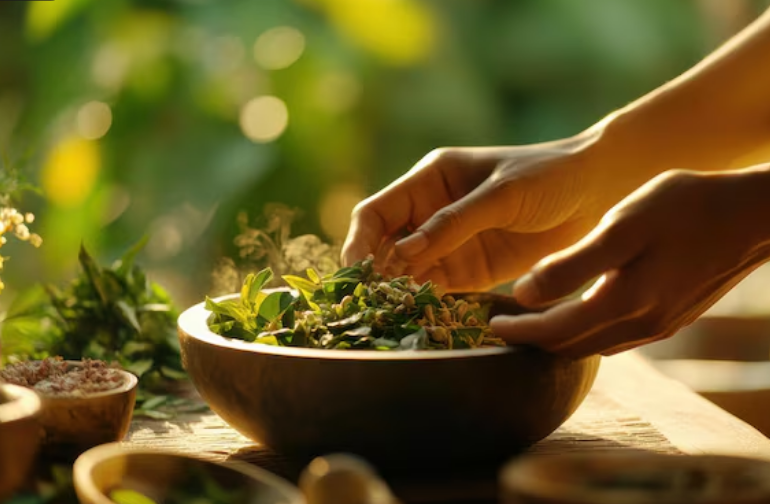
In a world filled with busy schedules, digital distractions, processed foods, and constant pressure, maintaining a healthy balance between the mind and body can be challenging. Many people are becoming more interested in traditional approaches to wellness that focus on daily routines, nutrition, relaxation, and overall balance. Ayurveda is one such traditional system that has been practiced in India for thousands of years.
Ayurveda takes a holistic approach to well-being. Rather than focusing only on individual symptoms, it emphasizes the relationship between lifestyle, diet, mental state, daily habits, and physical health. Its principles can provide ideas for creating a more balanced and mindful lifestyle when used appropriately.
Understanding the Principles of Ayurveda
Ayurveda is a traditional system of health and wellness that originated in India. The word Ayurveda is commonly translated as “knowledge of life.” Its approach emphasizes maintaining balance through appropriate food, daily routines, movement, rest, and personal habits.
A central concept in Ayurveda is the idea of three doshas: Vata, Pitta, and Kapha. These are traditionally described as combinations of different qualities and elements. Ayurvedic practitioners may consider an individual’s constitution when recommending lifestyle practices.
It is important to remember that traditional Ayurvedic concepts are different from modern medical science. Ayurveda can be explored as a wellness tradition, but it should not replace professional medical care, particularly when someone has a serious or ongoing health concern.
Supporting a Balanced Daily Routine
One of the most practical aspects of Ayurveda is its emphasis on daily routines. Having consistent times for waking, eating, working, relaxing, and sleeping can help create structure in everyday life.
A predictable routine may make it easier to maintain healthy habits. For example, eating meals at regular times can encourage more mindful eating, while establishing a relaxing evening routine may help prepare the body for sleep.
Simple habits can include starting the morning without immediately checking digital devices, drinking water, practicing gentle movement, and setting aside time for relaxation.
The goal is not to follow a complicated schedule. Instead, the focus is on developing sustainable habits that support a balanced lifestyle.
Ayurveda and Mindful Eating
Food plays an important role in Ayurvedic traditions. Instead of treating meals as something to consume quickly, Ayurveda encourages greater awareness of food, digestion, and individual needs.
Mindful eating can be beneficial regardless of whether someone follows a specific Ayurvedic diet. Eating slowly, paying attention to hunger and fullness, and reducing distractions during meals can help people become more aware of their eating patterns.
Traditional Ayurvedic practices often emphasize fresh, seasonal foods and meals prepared with herbs and spices. Common ingredients associated with Indian cooking include ginger, turmeric, cumin, coriander, and cardamom.
However, individual nutritional needs vary considerably. A balanced diet should provide adequate protein, fiber, vitamins, minerals, healthy fats, and other essential nutrients.
Promoting Relaxation and Mental Well-Being
Mental well-being is another important part of the Ayurvedic approach. Traditional practices often emphasize calming routines, meditation, breathing exercises, and periods of quiet reflection.
Meditation can be practiced for just a few minutes each day. Sitting quietly and focusing on breathing can provide an opportunity to step away from constant stimulation.
Gentle breathing exercises may also encourage relaxation. People who are new to these practices can begin with simple, comfortable breathing rather than attempting advanced techniques.
Creating time for activities such as reading, walking outdoors, journaling, or spending time with loved ones can also contribute to a calmer daily routine.
The Role of Movement
Regular physical activity is essential for overall health. Ayurveda traditionally recognizes the importance of movement and encourages physical activity that suits an individual’s abilities and circumstances.
Modern forms of exercise can easily fit into a wellness routine. Walking, stretching, yoga, swimming, cycling, and strength training are examples of activities that can support physical fitness.
Yoga is particularly associated with Ayurvedic wellness because it combines movement, breathing, and mindfulness. Beginners should choose practices appropriate for their experience and physical abilities.
The most effective activity is often the one that can be performed consistently and safely.
Supporting Healthy Sleep Habits
Sleep has a major influence on energy, concentration, mood, and overall well-being. Ayurvedic traditions place considerable importance on maintaining regular sleep and waking patterns.
A calming evening routine may help create better conditions for rest. This could include reducing screen time before bed, keeping the bedroom comfortable, avoiding heavy meals immediately before sleeping, and maintaining a consistent bedtime.
Good sleep habits are not only an Ayurvedic concept. They are also widely recognized as an important part of healthy living.
If someone regularly struggles with sleep despite making lifestyle changes, discussing the problem with a qualified healthcare professional can be helpful.
Herbs and Ayurvedic Products
Herbs and plant-based preparations are commonly associated with Ayurveda. Turmeric, ashwagandha, ginger, tulsi, and other herbs are frequently discussed in traditional wellness practices.
However, natural does not automatically mean safe for everyone. Herbal products can interact with medications, affect medical conditions, or cause side effects. Supplements can also vary in quality and concentration.
Anyone considering Ayurvedic herbs or supplements should speak with a qualified healthcare professional, especially if they take prescription medication, are pregnant, have an existing health condition, or are preparing for surgery.
Using traditional herbs responsibly is more important than assuming that every natural product is harmless.
Creating a Personalized Wellness Approach
One of the strengths of Ayurveda is its emphasis on individual differences. People have different schedules, preferences, activity levels, nutritional requirements, and approaches to relaxation.
Instead of trying to copy another person’s routine exactly, it can be more useful to identify habits that fit your own lifestyle.
You might begin with a few simple changes, such as eating meals more mindfully, creating a consistent sleep schedule, practicing gentle movement, or spending several minutes each day in quiet reflection.
Small habits are often easier to maintain than dramatic lifestyle changes.
Combining Traditional Wisdom With Modern Health Care
Ayurveda can offer valuable perspectives on routine, mindfulness, food, movement, and self-care. At the same time, modern healthcare provides evidence-based methods for diagnosing and treating medical conditions.
These approaches should not be viewed as competitors. People interested in Ayurveda can incorporate appropriate wellness practices while continuing to receive necessary medical care.
It is especially important not to delay diagnosis or treatment because of an Ayurvedic remedy or alternative therapy. Qualified healthcare professionals can help individuals make informed decisions based on their personal circumstances.
Final Thoughts
Ayurveda offers a holistic perspective that encourages people to pay attention to the connection between daily habits, physical health, mental well-being, food, movement, and rest. Its traditional principles can inspire simple lifestyle practices that encourage greater awareness and balance.
The most practical approach is to focus on safe, sustainable habits rather than searching for instant solutions. A nutritious diet, regular movement, sufficient sleep, relaxation, and mindful daily routines can form the foundation of a healthy lifestyle.
Whether you explore Ayurveda through meditation, yoga, traditional cooking, or structured daily routines, the key is to approach it thoughtfully. Combining traditional wellness practices with appropriate modern medical care can help create a balanced approach to overall well-being.