
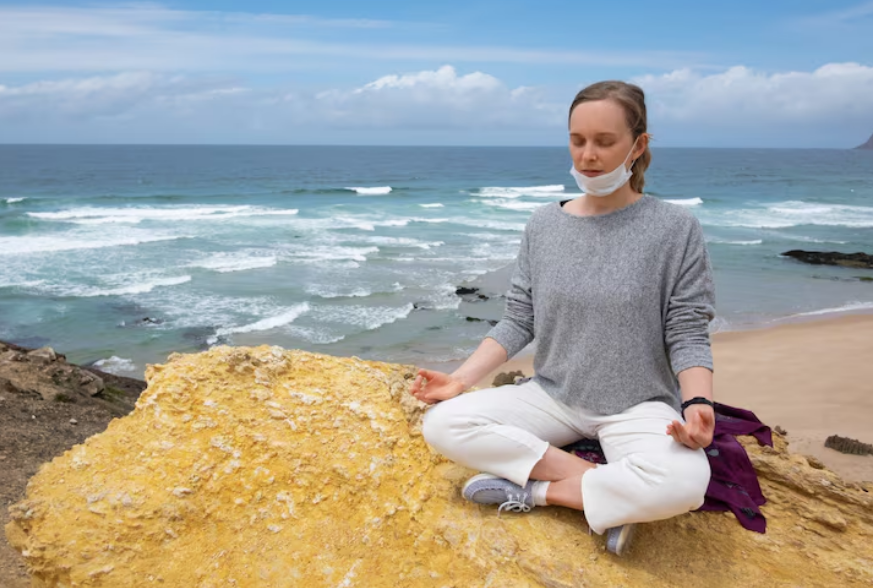
Modern life can feel overwhelming. Work responsibilities, personal commitments, constant notifications, financial concerns, and social expectations can leave the mind feeling busy throughout the day. Finding a moment of quiet can sometimes seem impossible. This is where mindfulness can become a valuable part of everyday life.
Mindfulness is the practice of paying attention to the present moment without immediately judging what is happening. Instead of constantly worrying about the future or replaying the past, mindfulness encourages you to notice your thoughts, emotions, surroundings, and physical sensations as they happen. With regular practice, it can become a simple way to create more calm and balance in daily life.
What Is Mindfulness?
Mindfulness means intentionally bringing your attention to the present. It does not require you to stop thinking or completely empty your mind. Thoughts will naturally appear, and the goal is to notice them without becoming controlled by them.
For example, while drinking a cup of tea, you might notice its warmth, smell, taste, and texture instead of scrolling through your phone or thinking about your next task. This simple act of paying attention turns an ordinary activity into a mindful experience.
Mindfulness can be practiced through meditation, breathing exercises, walking, eating, stretching, or everyday activities. The important part is being fully present rather than operating on autopilot.
How Mindfulness Can Help With Stress
Stress often increases when the mind focuses heavily on things that have already happened or events that have not happened yet. Mindfulness encourages people to return their attention to what is happening right now.
When you focus on your breathing, for example, you give your attention a simple point of focus. You may notice thoughts appearing, but instead of following every thought, you gently bring your attention back to the breath.
This practice can create a pause between an experience and your reaction to it. Over time, that pause may help you respond to challenging situations more thoughtfully rather than reacting automatically.
Mindfulness is not a way to eliminate every source of stress. Instead, it can help you develop a healthier relationship with stressful thoughts and everyday challenges.
Start With Simple Breathing Exercises
One of the easiest ways to begin practicing mindfulness is through conscious breathing. You do not need special equipment or a large amount of free time.
Find a comfortable position and pay attention to your natural breathing. Notice the sensation of air moving in and out. You may feel your chest or abdomen rise and fall.
Your attention will probably wander. When you notice that happening, gently return your focus to your breathing.
Start with just a few minutes each day. As the practice becomes more comfortable, you can gradually increase the amount of time.
Practice Mindful Observation
Mindful observation involves focusing closely on something around you. It could be a tree, a cup of coffee, a piece of fruit, or the sounds you hear outside.
Choose one object and spend a few moments observing it carefully. Notice its shape, texture, color, temperature, and other details.
This exercise helps train your attention. It also demonstrates that ordinary moments can become opportunities for awareness.
Bring Mindfulness Into Everyday Activities
Mindfulness does not have to be limited to meditation. Everyday activities can become opportunities to practice being present.
When eating, slow down and pay attention to the food. Notice its flavor, smell, texture, and temperature. When walking, notice how your feet touch the ground and how your body moves.
Even household activities such as washing dishes, cleaning, or preparing food can become mindful experiences when you focus fully on what you are doing.
These small practices can make mindfulness easier to maintain because they do not require setting aside a large block of time.
Learn to Observe Your Thoughts
People often assume that mindfulness means having no thoughts. In reality, thoughts are a normal part of the experience.
The goal is to notice thoughts without automatically accepting every thought as a fact.
Suppose you make a mistake and immediately think, “I always get things wrong.” Mindfulness allows you to recognize that thought without immediately believing it. You might simply notice, “I am having a negative thought about myself.”
This small shift can create emotional distance and provide an opportunity to respond more constructively.
Create a Consistent Mindfulness Routine
Like any habit, mindfulness becomes easier when practiced consistently. Choose a time of day that works for you.
Some people prefer practicing in the morning before beginning their daily responsibilities. Others find an evening practice helpful for slowing down before bed.
You could start with five minutes a day and gradually build from there. Consistency matters more than duration.
Keeping your practice simple also makes it easier to continue. You do not need an elaborate routine to experience the value of paying attention to the present.
Use Mindfulness During Difficult Moments
Mindfulness can be particularly useful when emotions become intense. If you feel frustrated, anxious, or overwhelmed, pause for a moment before responding.
Take a few slow breaths and notice what is happening in your body. Are your shoulders tense? Is your heart beating faster? Are you clenching your hands?
Then observe the emotion without immediately trying to push it away.
This does not mean ignoring problems. Instead, it gives you a chance to understand what you are experiencing before deciding what to do next.
Be Patient With Yourself
Developing mindfulness takes practice. Some days your attention may feel focused, while on other days your mind may wander constantly.
That is normal.
Avoid judging yourself for having distracting thoughts. Every time you notice your attention has wandered and gently return to the present, you are practicing mindfulness.
The goal is not perfection. The goal is awareness.
Approaching mindfulness with patience can make the practice more enjoyable and sustainable.
Mindfulness and a Balanced Lifestyle
Mindfulness works best as part of a broader approach to well-being. Regular physical activity, sufficient sleep, healthy relationships, time outdoors, and meaningful activities can all contribute to a more balanced life.
It is also important to recognize that mindfulness is not a replacement for professional support when someone is dealing with serious or persistent emotional difficulties. In those situations, speaking with a qualified mental health professional can be an important step.
Mindfulness can complement healthy lifestyle choices by encouraging greater awareness of your needs, habits, emotions, and daily experiences.
Final Thoughts
Mindfulness does not require you to change your entire life. It begins with something much simpler: paying attention to the moment you are already living.
A few minutes of conscious breathing, a mindful walk, or simply focusing on an everyday activity can provide an opportunity to slow down and reconnect with the present.
With regular practice, mindfulness can become a practical habit that encourages greater awareness, patience, and calm. In a world that constantly demands attention, learning to pause and experience the present moment can be one of the simplest ways to create more space for inner peace.
One Comment
[…] Read Also: The Power of Mindfulness: How to Reduce Stress and Find Inner Peace […]