
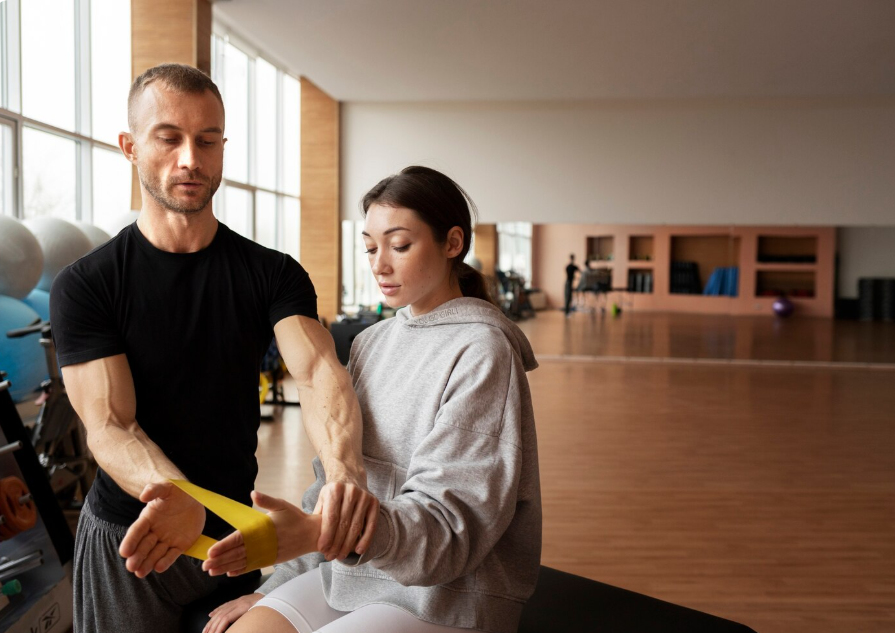
Living an active and healthy life becomes easier when your body can move comfortably without pain or stiffness. However, injuries, muscle problems, joint discomfort, and poor posture can affect everyday activities. Even simple tasks such as walking, bending, lifting objects, or sitting for extended periods may become difficult when physical discomfort develops. Professional physiotherapy offers an effective approach to improving movement, supporting recovery, and maintaining long-term physical health.
Choosing Physiotherapy Hillarys can be a positive step for individuals who want to manage pain, regain strength, and improve their overall mobility. With professional assessment and personalised treatment plans, people can work towards better physical function and a more comfortable lifestyle.
Understanding the Benefits of Physiotherapy
Physiotherapy is a healthcare service that focuses on restoring movement, improving physical strength, and reducing discomfort caused by injuries or medical conditions. It uses different treatment methods, including therapeutic exercises, stretching, manual techniques, and movement training.
People of different ages can benefit from physiotherapy. Office workers may experience neck and back discomfort because of prolonged sitting, while athletes may require rehabilitation following sports injuries. Older adults may also need support to maintain balance, flexibility, and independence.
A qualified physiotherapist evaluates an individual’s physical condition before recommending suitable treatment. This approach helps ensure that exercises and recovery techniques match the person’s needs and abilities.
Effective Treatment for Common Physical Problems
Physical discomfort can develop for several reasons, including repetitive movements, accidents, muscle weakness, and age-related changes. Physiotherapy can help manage various conditions through appropriate rehabilitation programmes.
Some common problems addressed through physiotherapy include:
- Back Pain: Specific exercises and movement guidance can help improve spinal mobility and strengthen supporting muscles.
- Neck Discomfort: Posture correction and gentle stretching may reduce muscle tension associated with extended screen time.
- Sports Injuries: Rehabilitation exercises support recovery from muscle strains, ligament injuries, and other physical problems.
- Joint Stiffness: Controlled movements can help maintain flexibility and improve joint function.
- Muscle Weakness: Strengthening activities improve stability and support better physical performance.
Treatment methods depend on the individual’s condition, medical history, and recovery objectives.
Improving Strength, Flexibility, and Mobility
Good physical mobility allows individuals to enjoy daily activities without unnecessary difficulty. Unfortunately, injuries and inactive lifestyles can reduce flexibility and weaken important muscle groups.
Physiotherapy programmes often include stretching routines, resistance exercises, balance training, and functional movement activities. These exercises help improve muscle coordination and support healthy joint movement.
Regular exercise also encourages better body awareness. Individuals learn how to move correctly, maintain appropriate posture, and avoid unnecessary pressure on vulnerable body areas.
Gradual improvement is important because every person’s recovery journey is different. Following professional instructions and maintaining consistency can contribute to better results over time.
Supporting Recovery After Surgery and Injuries
Recovering from surgery or a significant injury can require patience, dedication, and professional support. During recovery, muscles may become weaker, joints may feel stiff, and normal movement patterns may be affected.
A structured rehabilitation programme helps individuals rebuild physical strength and gradually return to everyday activities. Depending on the condition, treatment may include controlled exercises, flexibility training, walking practice, and balance improvement.
Following a personalised recovery plan can help patients develop confidence while reducing the risk of unnecessary strain. Progress should always be monitored by an appropriate healthcare professional.
Maintaining Better Physical Health
Long-term physical wellness requires more than occasional treatment sessions. Healthy daily habits play an important role in maintaining strength, flexibility, and mobility.
People should try to remain physically active, maintain a balanced diet, drink sufficient water, and get enough sleep. Taking short breaks during long working hours can also reduce stiffness associated with prolonged sitting.
Following recommended home exercises is another useful way to maintain progress between appointments. Individuals should avoid overexertion and seek professional advice if pain becomes severe or unexpected symptoms develop.
Conclusion
Physiotherapy plays an important role in improving physical function, managing discomfort, and supporting recovery from different conditions. Through professional guidance, targeted exercises, and healthy lifestyle choices, individuals can gradually improve their strength, flexibility, and everyday mobility.
Taking care of your body today can help create a healthier and more active tomorrow. With consistency, patience, and the right rehabilitation approach, achieving better movement and lasting physical wellbeing becomes a realistic goal.