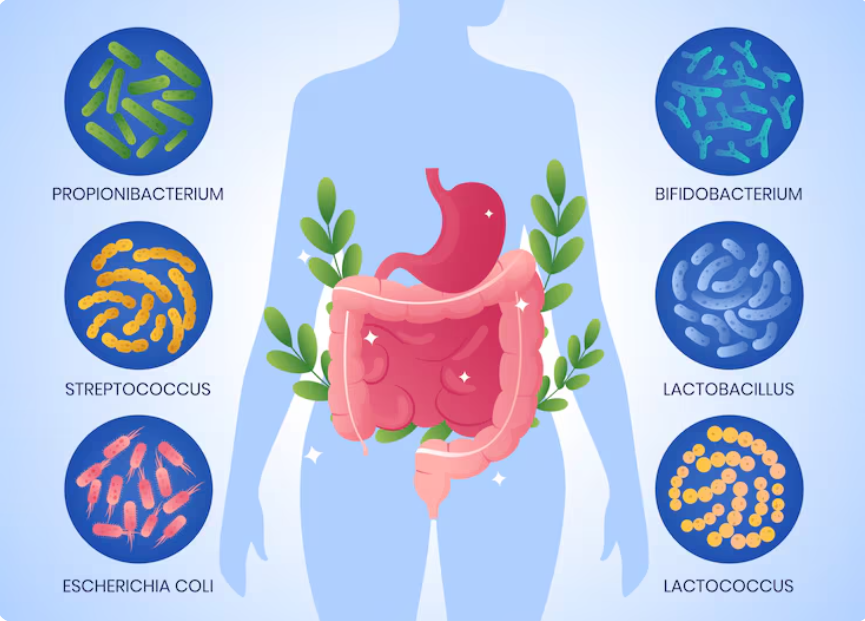
Understanding the Role of the Gut
The gut plays a central role in overall body wellness. It is responsible for digesting food, absorbing nutrients, and supporting immune function. A balanced gut helps maintain energy, mental clarity, and physical comfort. When the digestive system functions efficiently, the body can perform optimally and adapt more effectively to daily challenges.
Supporting Nutrient Absorption
Proper gut function ensures that vitamins, minerals, and other essential nutrients are absorbed efficiently. These nutrients fuel muscles, organs, and the brain, supporting energy levels and overall vitality. Poor gut health can reduce nutrient absorption, leading to fatigue, discomfort, and diminished resilience. Maintaining a balanced gut is key for long term wellness.
The Gut and Immune System
A large portion of the immune system is connected to the digestive tract. A healthy gut supports immune function, helping the body defend against infections and recover faster from illness. Balanced gut flora contributes to natural immunity and overall resilience, ensuring that the body stays protected and functions efficiently.
Diet and Gut Wellness
Nutrition is critical for maintaining gut balance. Consuming fiber rich foods, probiotics, and natural ingredients supports healthy digestion and beneficial bacteria. Hydration also plays a key role in keeping the gut functioning smoothly. Thoughtful dietary choices enhance digestion, reduce discomfort, and support overall long term health.
Daily Habits for a Balanced Gut
Consistent habits improve digestive efficiency. Regular meals, mindful eating, and moderate activity promote healthy gut function. Avoiding excessive processed foods or sugars reduces stress on the digestive system. These daily practices create an environment where the gut can thrive and contribute to overall wellness.
Managing Stress for Digestive Health
Stress can impact gut function and lead to digestive discomfort. Practices such as meditation, deep breathing, and relaxation exercises help reduce tension and support internal balance. A calm mind supports a healthy digestive system, creating a strong foundation for energy, comfort, and overall well being.
Physical Activity and Gut Function
Regular exercise enhances circulation and promotes efficient digestion. Movement helps regulate bowel activity, supports metabolism, and reduces digestive strain. Incorporating moderate physical activity into daily routines strengthens gut health and contributes to sustained energy and overall vitality.
Signs of a Healthy Gut
A well functioning gut often shows through steady energy, regular digestion, and reduced discomfort. Healthy gut flora supports clear skin, stable mood, and better sleep. These indicators reflect balanced internal systems and contribute to long term physical and mental wellness.
Preventive Care and Awareness
Being mindful of gut health allows for early intervention when issues arise. Identifying discomfort, irregular digestion, or food sensitivities early supports better management. Preventive measures, combined with proper nutrition and lifestyle habits, help maintain balance and reduce long term complications.
Building a Foundation for Long Term Wellness
Gut health is a cornerstone of overall body wellness. Supporting digestion, nutrient absorption, and immune function ensures the body operates efficiently. By maintaining a balanced gut through nutrition, habits, and stress management, individuals create a strong foundation for sustained energy, comfort, and long term health. Healthy gut practices empower the body to perform, adapt, and thrive in everyday life.

